

🔥 Black Friday Dehumidifier Deals 2026: picks worth watching →
If you are dealing with a flooded basement, a damp crawl space, or a job site that never seems to dry out, a standard residential dehumidifier probably isn’t enough. You need a machine that can pull out massive amounts of moisture, run continuously, and drain automatically without you having to empty a bucket. That is where a commercial dehumidifier with a built-in pump comes in. These units are built for heavy-duty use, and they can pump water out vertically so you can drain it through a window or up to a sink. In this guide, we have gathered the top models from brands like ALORAIR, ARGENDON, Aeroid, and more to help you find the right workhorse for your space. If you are also curious about what consumer reports say about basement dehumidifiers, check out our Consumer Report Best Basement Dehumidifier Picks for additional insights.
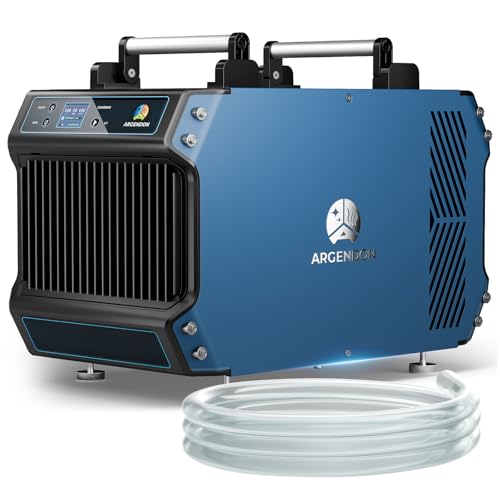
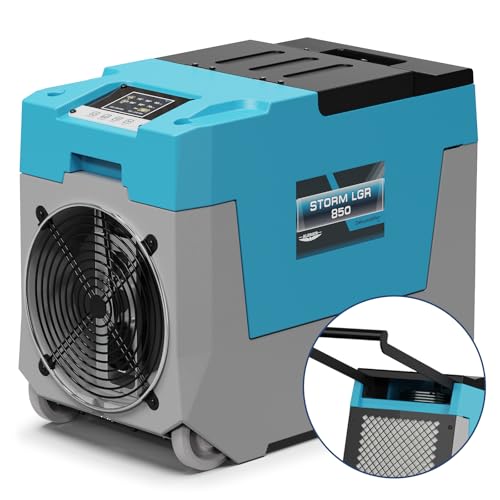


Buying Guide: What to Look for in a Commercial Dehumidifier with Pump
Moisture Removal Capacity
For commercial use, capacity is king. Look at the pints per day (PPD) rating, usually measured at saturation (90°F, 90% RH) and at AHAM standard conditions (80°F, 60% RH). A unit rated for 180 PPD at saturation can handle large spaces up to 2,300 square feet and serious water damage. For smaller areas like a crawl space or a single basement room, a 70 PPD model may be sufficient. Always match the capacity to your space and moisture level.
If you are dealing with a flooded basement, you will want a high-capacity model. Our guide on the best dehumidifier for flooded basement can give you more specific recommendations for that scenario.
Built-In Pump and Drainage Flexibility
The pump is the feature that sets these units apart. A built-in pump allows you to discharge water vertically, sometimes up to 19 feet, which is essential for crawl spaces or basements without a floor drain. Check the vertical lift height and the length of the included drain hose. Some models also offer a gravity drain option for when you have a nearby drain. This flexibility makes installation much easier.
Durability and Build Quality
Commercial environments can be tough. Look for a corrosion-resistant casing, a robust fan (measured in CFM), and a quality compressor. Features like auto defrost are important if you are using the unit in cooler temperatures. A good warranty, such as a 5 or 6-year limited warranty, is a sign of confidence from the manufacturer. For smaller spaces, you might also consider a best small dehumidifier for closet, but for heavy duty, you need something built to last.
Ease of Use and Controls
You do not want to fiddle with complicated settings on a job site. Look for a plug-and-go design with a clear display. Features like auto restart after power failure, a timer, and a control lock are valuable. Some models even offer a remote control or a detachable control panel for easier access after installation. A simple interface saves time and frustration.
Final Thoughts
Choosing the right commercial dehumidifier with a pump comes down to the size of your space and the severity of the moisture problem. For large areas and heavy water damage, the AlorAir 180 PPD LGR Commercial Dehumidifier offers incredible capacity and a robust pump, making it a top choice for professionals. If you need a more budget-friendly option for a crawl space or smaller basement, the ALORAIR 70 Pints Crawl Space/Commercial provides excellent performance and a built-in pump at a lower price point. Both are built to handle tough conditions and will keep your space dry with minimal effort.
Related Guides
Frequently Asked Questions
What is the difference between PPD at saturation and AHAM ratings?
PPD at saturation (usually at 90°F and 90% RH) represents the maximum water removal in extreme conditions, like after a flood. The AHAM rating (at 80°F and 60% RH) is a more standard measure for everyday use. Always compare AHAM ratings for a realistic idea of performance in your home or job site.
Can a commercial dehumidifier with a pump be used in a crawl space?
Yes, many of these units are specifically designed for crawl spaces. Their compact size and built-in pump allow for vertical drainage up to 16 feet or more, making them ideal for tight spaces where a gravity drain is not an option. Look for models with a low profile and durable casing.
How do I maintain a commercial dehumidifier?
Regular maintenance is simple. Clean or replace the air filter every few months, check the drain hose for clogs, and ensure the pump is working properly. Many models have washable filters. For long-term care, follow the manufacturer’s guidelines. For more on whole-home moisture control, see our comparison of whole house humidifier vs room humidifier.
What does Energy Star certification mean for a dehumidifier?
Energy Star certified dehumidifiers are more energy efficient than standard models, which can save you money on electricity bills, especially if the unit runs continuously. They meet strict guidelines set by the EPA and are a good choice for both the environment and your wallet.


