🔥 Black Friday Humidifier Deals 2026: picks worth watching →
Picture this: it’s the dead of winter, and your skin feels like parchment. The static shocks from touching a doorknob are relentless, and your houseplants look as sad as you feel. You know you need a humidifier, but the big question looms: should you buy one powerful unit for the whole house, or place smaller units in the rooms you use most? This guide breaks down the whole house humidifier vs room humidifier debate, covering coverage, maintenance, and performance to help you make the right call for your home in 2026. Whether you live in a compact apartment or a sprawling house, we have the insights you need.
For those already exploring humidity solutions, you might also be interested in our top whole house dehumidifiers for 2026 to balance moisture year-round.



Buying Guide
Coverage Area and Room Size
The most critical factor is how much space you need to humidify. A room humidifier typically covers 500 to 1,500 square feet, making it ideal for a single bedroom, living room, or office. Whole house humidifiers, on the other hand, are designed for 2,500 to 3,700 square feet or more, covering multiple rooms or an entire floor.
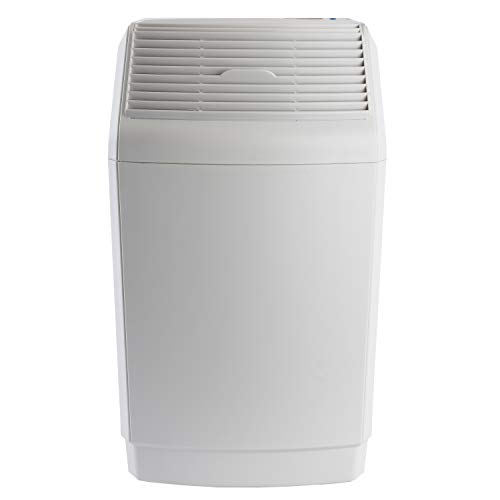
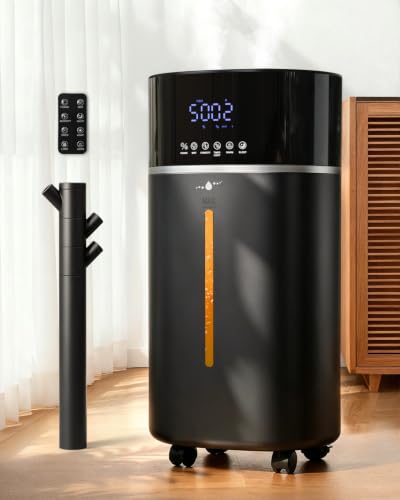
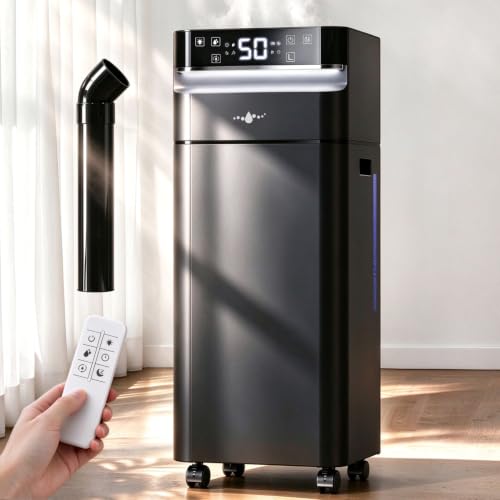
If you live in a studio or one-bedroom apartment, a room humidifier like the Lacidoll 8L Large Humidifier for Bedroom Large may be all you need. But for open-concept homes or houses with central heating, a whole house unit such as the AIRCARE Space Saver Large Evaporative Whole House can maintain consistent humidity across larger areas without multiple refills.
Maintenance and Cleaning
All humidifiers require regular cleaning to prevent mold and mineral buildup. Room humidifiers are generally easier to clean because they are smaller and often have detachable tanks. Many modern models, like the Lacidoll 16L Smart Humidifier large room, feature top-fill designs and wide openings for quick scrubbing.
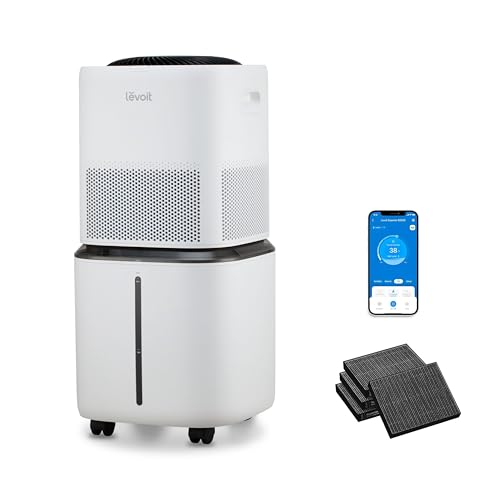
Whole house humidifiers, especially evaporative types, use wick filters that need replacement every few months. While this adds ongoing cost, these units often require less frequent cleaning of the tank itself. For those who want minimal hands-on maintenance, the Levoit Evaporative Humidifiers for Home Whole offers a detachable pump for easier deep cleaning.
Noise Level and Smart Features
If you plan to run a humidifier in your bedroom or nursery, noise matters. Room humidifiers often operate below 35 dB, making them virtually silent. The Mifasol Cool Mist Humidifier Large Room boasts a quiet 35 dB operation and a sleep mode that dims the display.
Whole house units tend to be louder due to larger fans, but many now include multiple fan speeds and smart controls. The Levoit 6000S, for example, offers app and voice control through VeSync, letting you adjust settings from your phone. For those who value convenience, smart features can tip the scales toward a whole house model.
If you are exploring other dehumidification options, check out our whole house dehumidifiers category for additional insights.
Final Thoughts
Choosing between a whole house humidifier and a room humidifier ultimately comes down to your home size and lifestyle. For large, open spaces or whole-home coverage, the AIRCARE Space Saver Large Evaporative Whole House offers reliable evaporative technology and a generous 2,700 sq ft coverage. If you prefer a more targeted solution for a single room or want smart features, the Levoit Evaporative Humidifiers for Home Whole combines app control, quiet operation, and a 23-liter tank for up to 72 hours of runtime. Both options will transform your indoor air quality, so pick the one that fits your space and enjoy breathing easier.
Related Guides
- Best Cool Mist Humidifier
- Dreo 6L Humidifier Review
- DREO 8L Smart Humidifier Review
- Lacidoll 8L Large Humidifier Review: Top Picks for 2026
Frequently Asked Questions
Can a room humidifier cover an entire house?
No, most room humidifiers are designed for spaces up to 1,500 square feet. For whole-house coverage, you would need multiple units or a dedicated whole house humidifier that can handle 2,500 square feet or more.
Are whole house humidifiers more expensive to run?
They can be, due to larger fans and the need for replacement wick filters. However, they often use less electricity per square foot than running several room humidifiers simultaneously. In 2026, many models offer energy-saving modes to reduce costs.
Which type is better for allergies?
Both can help, but evaporative whole house humidifiers are generally preferred because they do not produce white dust and are less likely to over-humidify, which can trigger mold growth. For targeted relief, a room humidifier with a built-in humidistat is also effective.
How often should I clean a whole house humidifier?
Most manufacturers recommend cleaning the tank and replacing the wick filter every 3 to 6 months, depending on water hardness and usage. Regular maintenance ensures optimal performance and prevents bacterial buildup.