🔥 Black Friday Dehumidifier Deals 2026: picks worth watching →
Your basement smells musty, the bedroom windows sweat every morning, and you are tired of dragging a heavy bucket to the drain. A small, smart dehumidifier can fix that without taking over the room. This guide covers the best Frigidaire 22 pint dehumidifier with Wi-Fi Energy Star options and a few strong alternatives for 2026.
We focused on units that fit small to medium spaces, connect to your phone, and keep energy use low. You will see how each model handles humidity control, drainage, and daily operation so you can choose with confidence. Start with our full basement dehumidifiers category if you want the bigger picture.


Buying Guide: What Matters in a Wi-Fi Energy Star Dehumidifier
Before you pick a model, narrow your list with a few practical filters. These criteria separate a unit that runs quietly in the background from one that becomes a daily chore.
Room Size and Pint Capacity
Pint ratings describe moisture removed per day, not tank size. A 22 pint unit suits bedrooms, bathrooms, and small basements, while 35 to 50 pint models handle larger or wetter spaces. Match capacity to your square footage and how damp the air feels.
If your space is unusually wet, compare larger options in our whole basement dehumidifier guide before settling on a compact model.
Wi-Fi and Smart Controls
Wi-Fi lets you check humidity from your couch, adjust setpoints remotely, and connect to Alexa or Google Assistant. Look for an app that reports current humidity and lets you schedule runs. Reliable smart control is the difference between set-and-forget and constant fiddling.
Energy Star Certification
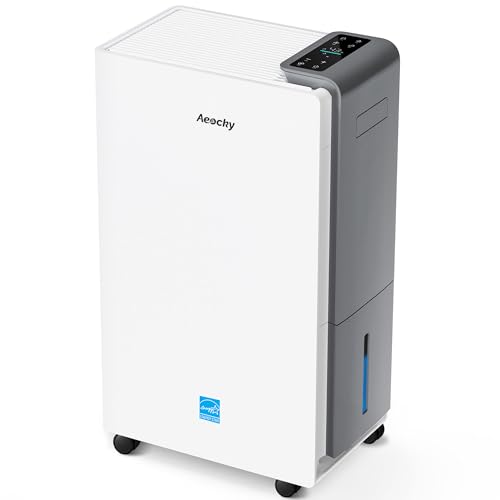
An Energy Star label means the unit meets strict efficiency standards, so it uses less power than older models. Some AEOCKY units carry the rarer Most Efficient designation. Either way, efficiency matters most when the dehumidifier runs for hours each day.
For continuous setups, pair efficiency with smart drainage. Our guide to basement dehumidifiers that drain to a sump pump explains the plumbing side.
Drainage and Maintenance
Manual buckets work for small rooms, but a hose or built-in pump saves effort. Washable filters and auto-defrost features also reduce upkeep. Choose a drainage method that fits your space, whether that is a floor drain, a sink, or a hose run to the outside.
Small rooms may only need a compact unit. Browse our small dehumidifiers section for tighter footprints, and see the full dehumidifiers hub for comparisons.
Final Thoughts
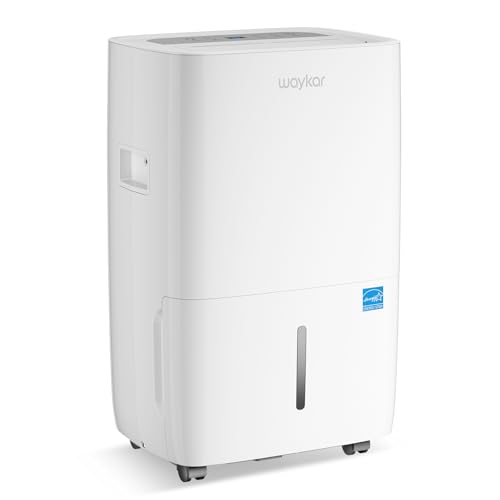
For most small to medium rooms, the Frigidaire 22-Pint Portable Dehumidifier delivers the Wi-Fi control and Energy Star efficiency you asked for. If you need more capacity for a wet basement, the Midea Cube 50 Pint Dehumidifier for Basement offers a larger tank and continuous drain option.
Related Guides
- Top Dehumidifiers for Attic Spaces in 2026
- Dehumidifiers for Home Which Best Buy in 2026
- Frigidaire Dehumidifier Best Buy Guide for 2026
Frequently Asked Questions
Is a 22 pint dehumidifier enough for a basement?
It depends on size and dampness. A 22 pint unit works well for small basements, crawlspaces, and rooms up to roughly 1,500 square feet when humidity is moderate. Very wet or large basements usually need 35 to 50 pints per day.
How does Wi-Fi control help on a dehumidifier?
Wi-Fi lets you monitor humidity and change settings from your phone, even when you are away. You can also use voice commands through Alexa or Google Assistant. This is handy for basements you do not visit daily.
What does Energy Star mean for a dehumidifier?
Energy Star certification means the unit meets efficiency standards set by the EPA, using less electricity than standard models. Some brands, including AEOCKY, also earn the stricter Most Efficient label. Both help lower running costs in 2026.
Can I set up continuous drainage?
Yes, most models include a hose connection or a built-in pump. Gravity drain works when the unit sits above a floor drain or sink. Pump models like the AEOCKY Dehumidifier with Pump can push water upward, which helps in basements without drainage.