

🔥 Black Friday Dehumidifier Deals 2026: picks worth watching →
You walk into your basement and that familiar musty smell hits you. The air feels heavy, and you notice a faint chill that never seems to lift. If this sounds like your home, you are not alone. Basements are naturally prone to excess moisture, and finding the right dehumidifier can make all the difference. In this guide, we review the best Honeywell dehumidifier for basement spaces, covering models that excel at moisture removal, energy efficiency, and quiet operation. Whether you have a small crawl space or a large finished basement, we have you covered. For more insights, check out our Consumer Report Best Basement Dehumidifier Picks for 2026.




Buying Guide
Capacity and Coverage
The first thing to consider is how much moisture your basement produces. Dehumidifiers are rated by pints of water removed per day, typically measured at 95°F and 90% relative humidity. For a small basement under 1,500 square feet, a 21-pint model may suffice. For larger spaces up to 5,000 square feet, look for a 50-pint or 80-pint unit. Choosing the right capacity ensures your basement stays dry without the unit running constantly. For medium-sized basements, our best medium size dehumidifier for basement guide offers more options.
Energy Efficiency
An Energy Star certified dehumidifier uses less electricity while still providing powerful moisture removal. Some models even earn the Energy Star Most Efficient designation, which means they are among the top performers in their class. Over a year, an efficient model can save you significant money on your utility bills. Look for units with smart humidity control that adjust operation based on real-time conditions, reducing unnecessary run time.
Drainage Options
Basement dehumidifiers offer two main drainage methods: a removable water tank and a continuous drain hose. A tank is convenient for small spaces, but you must empty it regularly. For hands-free operation, especially in a basement where you may not check daily, a continuous drain hose is ideal. Some models include a built-in pump that can push water upward to a sink or drain, which is essential for below-grade basements. For more on this, read our best dehumidifier for flooded basement article.
Noise Level
If your basement is used as a living space, home office, or guest room, noise matters. Many modern dehumidifiers operate at around 40 to 45 decibels, which is quieter than a normal conversation. Look for units with a sleep mode or low-speed fan setting for even quieter operation. A quiet dehumidifier can run overnight without disturbing your rest.
Final Thoughts
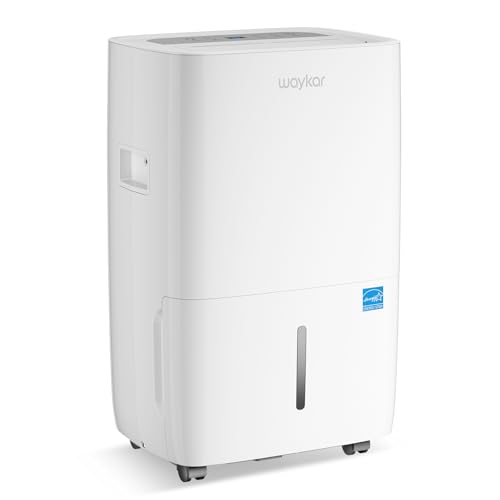
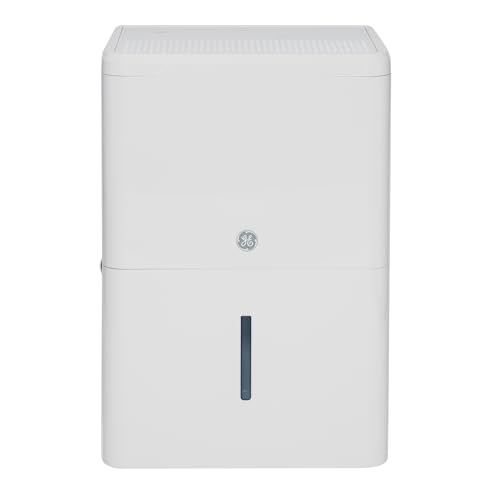
After evaluating the top models, we recommend the Waykar 80 Pints 5000 Sq. Ft 2025 Energy Star for large basements needing powerful moisture removal and smart features, and the GE Dehumidifier with Pump & Hose for below-grade spaces where a built-in pump makes continuous drainage effortless. Both deliver reliable performance and energy efficiency to keep your basement dry and comfortable all year round.
Related Guides
Frequently Asked Questions
What size dehumidifier do I need for my basement?
For a basement up to 1,500 square feet, a 21-pint model works well. For spaces up to 3,000 square feet, consider a 50-pint unit. For larger basements up to 5,500 square feet, an 80-pint dehumidifier is recommended. Always measure your basement’s square footage and consider the humidity level.
Should I get a dehumidifier with a pump?
If your basement is below grade and you cannot use gravity drainage, a model with a built-in pump is essential. It can push water upward to a sink or drain, eliminating the need to empty a bucket. This is especially useful for finished basements or if you want a set-and-forget solution.
How often should I clean my dehumidifier filter?
Check the filter every month and clean it if it looks dusty. A clean filter improves airflow and efficiency. Most filters are washable and reusable, so you can rinse them with water and let them dry before reinstalling. Replace the filter if it becomes damaged or worn.
Can a dehumidifier help with musty smells?
Yes, by reducing excess moisture, a dehumidifier helps prevent mold and mildew growth, which are common causes of musty odors. Keeping humidity between 30% and 50% creates an environment where mold cannot thrive, leading to fresher air. For more tips, visit our Basement Dehumidifiers category page.


