

🔥 Black Friday Dehumidifier Deals 2026: picks worth watching →
If your basement feels more like a swamp than a living space, you are not alone. Persistent humidity can lead to musty odors, mold growth, and damage to stored belongings. This guide covers the best high capacity dehumidifiers for home use in 2026, focusing on models that handle large spaces and tough conditions. Whether you need a portable unit for a finished basement or a commercial-grade machine for a crawl space, we have you covered. For a broader look at top performers, check out our guide on the best dehumidifier on the market.



Buying Guide
Capacity and Coverage Area
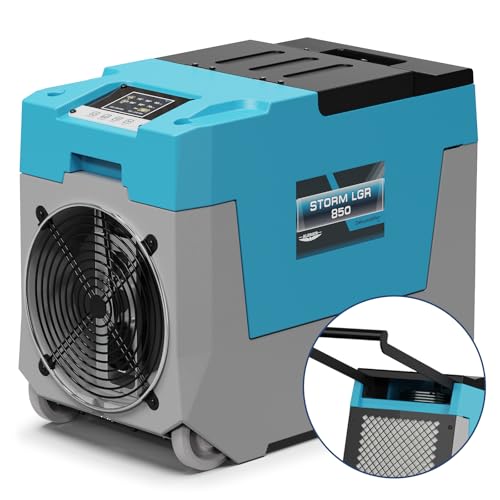
The most important factor is how much moisture the unit can remove and how large an area it can cover. For a typical basement up to 1,500 square feet, a 50 to 70 pint model often works well. Larger spaces or areas with extreme humidity may need 100 pints or more. For example, the AlorAir 180 PPD LGR Commercial Dehumidifier handles up to 2,300 square feet, making it ideal for open basements or job sites. If you are unsure about sizing, our guide on best medium size dehumidifier for basement offers more insights.
Drainage Options: Pump vs. Gravity
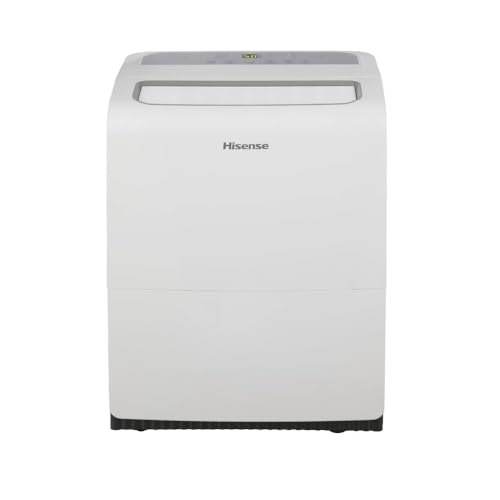
Continuous drainage is a game changer. Units with a built-in pump can push water upward to a sink or window, while gravity drain models require a downward slope. The Hisense 50-Pint Lift-Up Portable Dehumidifier includes a pump and a quick-connect hose for hands-free operation. For commercial settings, the AlorAir 180 PPD Commercial Dehumidifier with Pump also offers a robust pumping system. A pump is especially useful if your basement lacks a floor drain.
Build Quality and Durability
High capacity dehumidifiers often run for long hours in challenging environments. Look for metal outer casings and reliable compressors. ALORAIR models, like the Sentinel HD55, feature rugged metal housing and a 6-year limited warranty. These units are built to withstand crawl spaces and basements where conditions are damp and dusty. For more on commercial-grade options, see our best commercial dehumidifier with pump guide.
Energy Efficiency and Smart Features
Running a dehumidifier around the clock can add to your electric bill. Energy Star certified models, like the AlorAir 120 Pints Energy Star Crawlspace, use less power while delivering high performance. Smart features such as Wi-Fi connectivity, auto defrost, and programmable timers add convenience. The Frigidaire 50 Pint Dehumidifier with Wi-Fi lets you monitor humidity levels from your phone, a nice touch for tech-savvy homeowners. For more recommendations, check consumer report best basement dehumidifier picks.
Final Thoughts
Choosing the right high capacity dehumidifier depends on your space, drainage needs, and budget. For most basements, the Frigidaire 50 Pint Dehumidifier w/Wifi offers a great balance of performance and smart features, while the AlorAir 180 PPD LGR Commercial Dehumidifier is the powerhouse for large areas or water damage restoration. Both models are reliable and backed by strong warranties, so you can buy with confidence.
Related Guides
- Top Dehumidifiers for Attic Spaces in 2026
- 7 Top Dehumidifiers for a 1000 Sq Ft Basement in 2026
- Midea 50 Pint Dehumidifier Review
Frequently Asked Questions
How often should I empty the water tank on a high capacity dehumidifier?
Most high capacity units have continuous drainage options, so you rarely need to empty a tank. Models with a built-in pump can drain automatically to a sink or outside. If you use the tank, expect to empty it every 8 to 12 hours depending on humidity levels.
Can I use a high capacity dehumidifier in a crawl space?
Yes, many models are designed for crawl spaces. The ALORAIR 113 Pints Crawlspace Dehumidifier is compact and has a rugged handle for easy transport. It also features auto defrost for low temperature operation, making it suitable for tight, damp areas.
What size dehumidifier do I need for a 2,000 square foot basement?
For a 2,000 square foot area, look for a unit that removes at least 70 to 100 pints per day. The Hisense 60-Pint Capacity model covers up to 4,500 square feet, but for very damp basements, a commercial unit like the AlorAir 180 PPD is a better fit. For more details, see our guide on best medium size dehumidifier for basement.
Are dehumidifiers with pumps worth the extra cost?
If you cannot place the dehumidifier above a drain, a pump is worth it. It allows you to route the hose upward to a sink or window, offering more placement flexibility. Many top models, including the Hisense and ALORAIR units, include pumps for hassle-free drainage.

