🔥 Black Friday Air Purifier Deals of 2026: picks worth watching →
Imagine waking up with a stuffy nose and itchy eyes every morning, not because of seasonal pollen, but because your beloved cat’s dander is lingering in your bedroom. You love your feline friend, but the constant sneezing and congestion are wearing you down. The solution isn’t to give up your pet, but to invest in a high-quality HEPA air purifier designed to capture the allergens that trigger your reactions. This guide will walk you through the top models for cat allergies, focusing on features that matter most for pet owners.
We’ve analyzed dozens of air purifiers, looking at filtration efficiency, coverage area, noise levels, and pet-specific features. Whether you need a compact unit for a small apartment or a powerful machine for a large open-plan home, our picks will help you find the perfect match. For more insights, check out our guide on the best HEPA air purifiers for pet allergies.





Buying Guide: What to Look For in a Cat Allergy Air Purifier
HEPA Filtration Efficiency
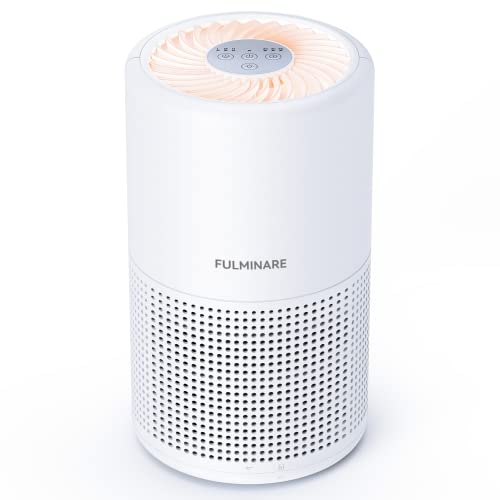
The core of any air purifier for allergies is its HEPA filter. For cat allergies, you need a true HEPA filter that captures at least 99.97% of particles as small as 0.3 microns, which includes pet dander, dust mites, and pollen. Look for models that specify HEPA-grade or H13/H14 classification, as these offer the highest level of filtration. Models like the Levoit Vital 100S-P and the FULMINARE H13 are excellent examples of high-efficiency filtration.
It’s also important to consider the filter’s lifespan and replacement cost. Some purifiers have washable pre-filters that extend the life of the main HEPA filter, saving you money in the long run. The HEAPETS P358, for instance, features a washable pre-filter that can reduce replacement costs by up to 50%.
Room Coverage and CADR Rating
To effectively manage cat allergens, the air purifier must be appropriately sized for your room. The Clean Air Delivery Rate (CADR) indicates how quickly the purifier can clean the air. Higher CADR numbers mean faster purification. For a bedroom, a CADR of around 150 CFM is sufficient, but for larger living areas, you’ll want a CADR of 200 CFM or more.
Consider the square footage the purifier claims to cover. The COWAY Mighty AP-1512HH covers up to 1,748 sq ft in one hour, making it ideal for open-concept homes. If you have a large space, you might also explore large room air purifiers for more options.
Pet-Specific Features
Some air purifiers come with features tailored for pet owners. Look for models with a “Pet Mode” that increases fan speed to capture more dander and hair, or a U-shaped air inlet that prevents clogging from pet hair. The LEVOIT Vital 200S-P and the HEAPETS P358 both have these thoughtful design elements. Additionally, a built-in air quality sensor can automatically adjust the fan speed when it detects a spike in allergens, ensuring your air stays clean without constant manual adjustments.
If you have multiple pets or severe allergies, consider a purifier with an activated carbon filter to also reduce odors. This is a common feature in many models, including the MOOKA and Dhyala purifiers, which also offer aromatherapy options to keep your home smelling fresh.
Noise Level and Nighttime Use
Since you’ll likely run your air purifier while you sleep, noise level is a critical factor. Look for models with a sleep mode that operates at or below 25 decibels, which is quieter than a whisper. The Levoit Core 300-P operates at just 24 dB in sleep mode, while the Dhyala model goes as low as 15 dB. Also, ensure the display lights can be turned off or dimmed to avoid disturbing your sleep.
For light sleepers, a quiet purifier is a must. Our guide on the best air purifiers for allergies includes models that are specifically praised for their quiet operation.
Final Thoughts
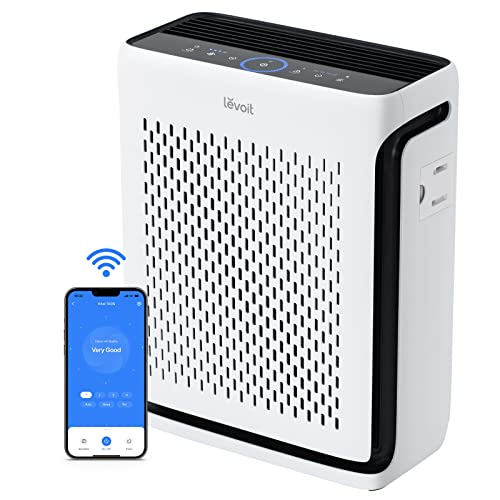
Choosing the right air purifier for cat allergies can dramatically improve your quality of life, allowing you to enjoy your pet without the constant sneezing and congestion. For most households, the LEVOIT Air Purifier for Home Pets Bedroom Dorm offers a perfect balance of performance, smart features, and affordability, making it our top pick for bedrooms and small to medium spaces. If you need to cover a larger area or want the convenience of smart control, the LEVOIT Smart Air Purifier for Home Large Room is an excellent choice, delivering powerful, app-enabled purification for open-concept homes. Both models are AHAM verified, ensuring they meet strict performance standards for allergen removal.
Related Guides
- Best Air Purifier for Cat Litter
- Winix 5500-2 Review
- Best Air Purifier for Dog Odors: Top Picks for 2026
Frequently Asked Questions
How quickly will an air purifier help with cat allergies?
Most air purifiers can significantly reduce airborne allergens within a few hours of continuous operation. However, pet dander can settle on surfaces, so you may need to run the purifier for a few days to see a noticeable difference in your symptoms. For best results, run the purifier 24/7 and vacuum regularly.
Can an air purifier eliminate all cat dander?
No air purifier can remove 100% of cat dander, as dander particles are sticky and can settle on furniture, carpets, and clothing. However, a HEPA air purifier will capture the airborne dander, which is the primary trigger for allergic reactions. Combining an air purifier with regular cleaning and grooming of your cat can dramatically reduce allergen levels in your home.
What is the best type of filter for pet allergies?
True HEPA filters are the gold standard for pet allergies, as they capture 99.97% of particles as small as 0.3 microns, including pet dander. Some purifiers also include an activated carbon filter to help absorb odors. For maximum effectiveness, choose a purifier with both a HEPA filter and a pre-filter that you can wash to extend the life of the main filter. For more details, see our HEPA air purifier guide.
Where should I place the air purifier to best manage cat allergies?
Place the air purifier in the room where you spend the most time, such as your bedroom or living room. For optimal airflow, keep it at least a few feet away from walls and furniture. If your cat has a favorite spot, placing the purifier nearby can help capture dander at the source. For comprehensive coverage, consider using multiple units in different rooms.
For more tips on managing pet allergens, explore our air purifiers for pets category, which includes models specifically designed for pet owners.