
If you share your home with a cat, you know the struggle of keeping the litter box area fresh. Even with daily scooping, odors can linger, and dust from litter can float through the air, triggering allergies. That’s where a dedicated air purifier for cat litter comes in. This guide reviews seven top-rated models designed to tackle pet dander, dust, and odors, helping you find the right fit for your space and budget.
We evaluated these purifiers based on their ability to handle the unique challenges of cat ownership: ammonia-based smells, fine silica dust from clumping litters, and the need for quiet, continuous operation. For more on keeping your home fresh, check out our guide on air purifiers for pets.


Buying Guide: What to Look for in an Air Purifier for Cat Litter
Filtration Type
For cat litter odors, a standard HEPA filter alone won’t cut it. You need a unit with a substantial activated carbon filter or a specialized odor-removing layer. The carbon traps volatile organic compounds (VOCs) from urine and feces, while the HEPA captures dust and dander. Some models, like the Austin Air HealthMate, use a blend of carbon and zeolite for enhanced odor control. This is a critical feature for tackling the ammonia smell from a litter box.
Look for a purifier that clearly states its carbon filter weight or thickness. A heavier carbon bed means longer effective odor removal. For more on filtration, see our HEPA air purifiers subcategory.
Room Size and CADR
Match the purifier’s coverage to your room size. A unit rated for a larger room will cycle the air more often in a smaller space, which is essential for odor control near the litter box. Check the Clean Air Delivery Rate (CADR) for smoke, dust, and pollen. For cat litter, the smoke CADR is most relevant, as it indicates how well the unit removes fine particles and odors. A higher CADR means faster, more efficient cleaning.
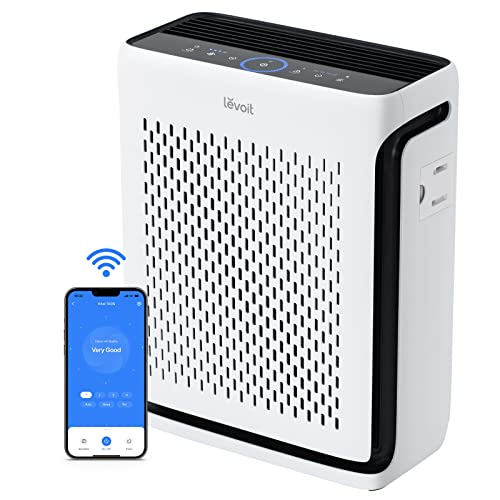
Don’t oversize for a tiny room, but err on the side of a slightly larger unit to ensure it can keep up with continuous odor generation. The Levoit Core 600S-P, for example, is built for extra-large spaces, making it a powerhouse for open-concept homes.
Noise Level and Smart Features
Since an air purifier for cat litter often runs 24/7, quiet operation is a must. Look for units with a sleep mode or low fan speed that produces minimal sound. Many modern purifiers, like the Levoit and Shark models, offer auto mode that adjusts fan speed based on real-time air quality readings. This saves energy and keeps noise down when the air is clean, then ramps up when your cat uses the box.
Smart features like app control and voice commands (Alexa, Google Assistant) add convenience, allowing you to boost purification from the couch. For more on smart home integration, check out our air quality section.
Filter Longevity and Maintenance
Cat litter dust can clog filters quickly. Look for a unit with a washable pre-filter that captures large particles like hair and dust before they reach the main HEPA and carbon filters. This extends the life of the more expensive filters. Some models, like the Shark NeverChange, boast multi-year filter life, saving you money and hassle. Always check the manufacturer’s filter replacement schedule and cost before buying.
Final Thoughts
Choosing the best air purifier for cat litter depends on your specific needs. For a powerful, whole-home solution that excels at odor removal and has a long filter life, the Austin Air HealthMate Standard Air Purifier is a top-tier investment. If you prefer a smart, budget-friendly option with excellent coverage and app control, the Levoit Smart Air Purifiers for Home Large Room is a fantastic choice that balances performance and value. Both will dramatically improve the air quality around your cat’s litter box, making your home fresher and healthier.
Related Guides
Frequently Asked Questions
Will an air purifier completely eliminate cat litter odor?
An air purifier with a strong carbon filter can significantly reduce cat litter odors, but it won’t replace regular scooping and cleaning. It works continuously to capture airborne particles and VOCs, making the smell much less noticeable between cleanings.
Where should I place the air purifier for best results?
Place the purifier near the litter box, ideally within a few feet, but ensure it has unobstructed airflow. Avoid placing it directly against a wall or in a corner. For open spaces, position it between the litter box and the rest of the room to create a clean air zone.
How often should I replace the filters in a pet air purifier?
Filter replacement varies by model and usage. As a general rule, replace HEPA filters every 6 to 12 months and carbon filters every 3 to 6 months for optimal odor control. In 2026, many newer models, like the Shark NeverChange, offer extended filter life of up to 5 years. Always follow the manufacturer’s guidelines.
Are there any safety concerns with using an air purifier around cats?
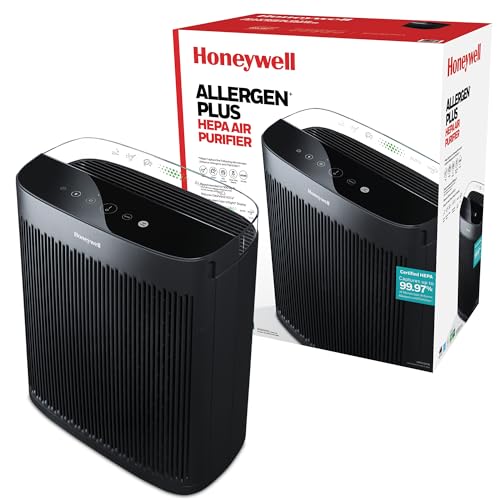
No, most air purifiers are safe for pets. Some units emit small amounts of ozone, but reputable brands like Honeywell, Levoit, and Shark are certified to produce negligible levels. Avoid ionizers or ozone generators specifically marketed for odor removal, as they can be harmful to both humans and pets. Stick with HEPA and carbon filtration for peace of mind. For more tips, see our Air Guides section.