🔥 Black Friday Dehumidifier Deals 2026: picks worth watching →
Picture this: you wake up with a stuffy nose and itchy eyes, even though you cleaned your bedroom last week. The culprit might not be dust on your nightstand but the invisible moisture in the air. When humidity climbs above 50 percent, dust mites, mold spores, and mildew thrive, turning your home into an allergy zone. For anyone prone to sneezing, congestion, or asthma, controlling indoor moisture is one of the most effective ways to find relief. That is where a dedicated dehumidifier steps in. In this guide, we explore the best dehumidifier for allergy sufferers in 2026, focusing on models that remove excess moisture efficiently, operate quietly, and fit a range of spaces. Whether you need a compact unit for a bedroom or a high-capacity machine for a damp basement, we have options to help you breathe easier. For more on managing moisture in larger areas, check out our guide on best dehumidifier systems for basements.




Buying Guide: Choosing a Dehumidifier for Allergy Relief
Capacity and Coverage Area
The first factor to consider is how much moisture the unit can remove daily, measured in pints. For a small bedroom or office, a 32-pint model like the Honeywell 32-Pint ENERGY STAR Dehumidifier works well for spaces up to 3,000 square feet. If you are tackling a large basement or open living area, a 50-pint or 80-pint unit provides faster dehumidification. Matching the capacity to your room size ensures the unit runs efficiently without overworking.
For larger basements, see our roundup of the best heavy duty basement dehumidifier for more options. Remember, a unit that is too small for the space will struggle to maintain low humidity, leaving allergens active.
Filtration and Air Quality Features
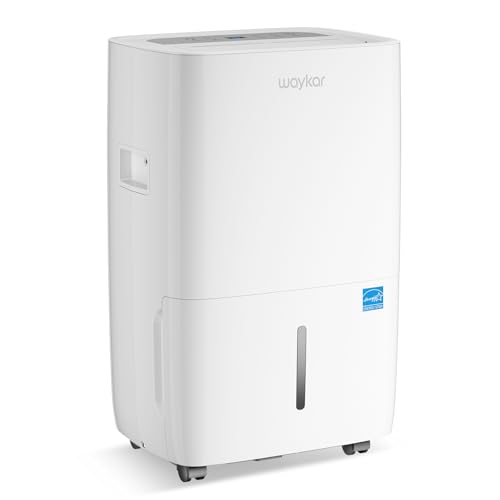
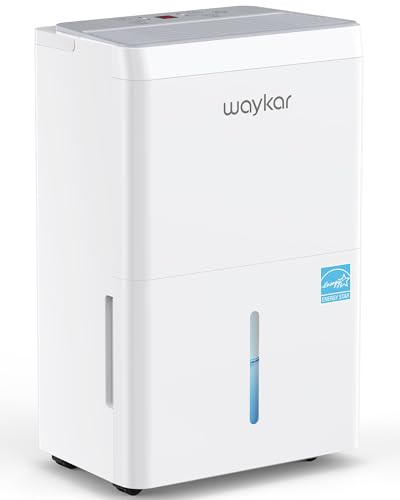
Since the goal is reducing allergens, look for models with washable or replaceable filters that capture dust, pollen, and pet dander before recirculating air. The Waykar 80 Pints 5000 Sq. Ft 2025 Energy Star features a washable mesh screen that is easy to clean, helping maintain cleaner airflow. Some units also offer continuous drainage options, which is convenient for long-term allergy management.
Pairing a dehumidifier with an air purifier can enhance allergen control. For insights on smaller spaces, read our guide on best dehumidifier for a room.
Noise Levels and Operating Modes
For allergy sufferers who need quiet operation in bedrooms or home offices, noise output matters. Look for units rated around 40 to 42 decibels on low speed, like the Waykar 80 Pints model, which produces a soft white noise that does not disrupt sleep. Additionally, smart features such as auto mode and programmable timers allow the unit to adjust based on room conditions, saving energy while keeping humidity consistently low.
Ease of Maintenance and Drainage
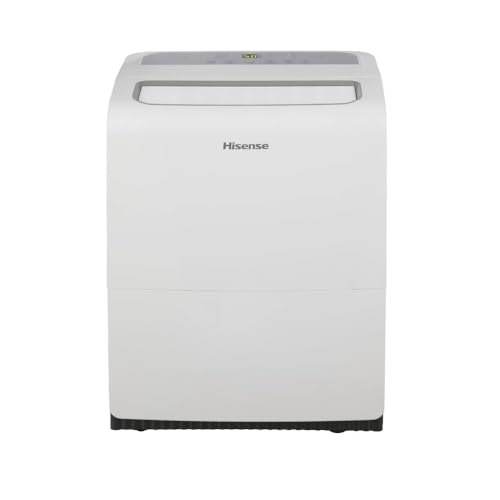
Emptying a water tank daily is a chore that can lead to neglect. Choose a dehumidifier with a continuous drain option or a built-in pump for hands free operation. For example, the Hisense 50-Pint Lift-Up Portable Dehumidifier includes a pump and top-lift tank for easy drainage, reducing the chance of overflow and mold growth. If you prefer a unit that is simple to clean, look for washable filters and indicator lights that remind you when maintenance is needed.
For more on energy efficient models, read our hisense energy star dehumidifier review for performance insights.
Final Thoughts
For allergy sufferers, the right dehumidifier can transform your indoor environment by keeping humidity below 50 percent, where dust mites and mold struggle to survive. If you need robust coverage for a large basement or open living area, the Waykar 80 Pints 5000 Sq. Ft 2025 Energy Star offers smart humidity control and quiet operation at a reasonable investment. For those who prioritize ease of use and hands free drainage in medium sized spaces, the Hisense 50-Point Portable Dehumidifier delivers reliable performance with three fan speeds and low temperature operation. Whichever you choose, consistent dehumidification is a proactive step toward cleaner, more comfortable air in your home.
Related Guides
- Top Dehumidifiers for Attic Spaces in 2026
- 7 Top Dehumidifiers for a 1000 Sq Ft Basement in 2026
- Midea 50 Pint Dehumidifier Review
Frequently Asked Questions
What humidity level is best for allergy sufferers?
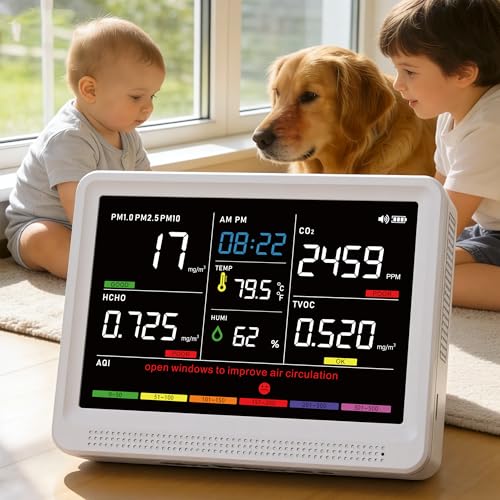
Keeping indoor humidity between 30 and 50 percent helps reduce dust mites, mold, and mildew growth. Most dehumidifiers, including those in this guide, allow you to set a target relative humidity within this range. Using a hygrometer can help you monitor levels accurately.
Can a dehumidifier replace an air purifier for allergies?
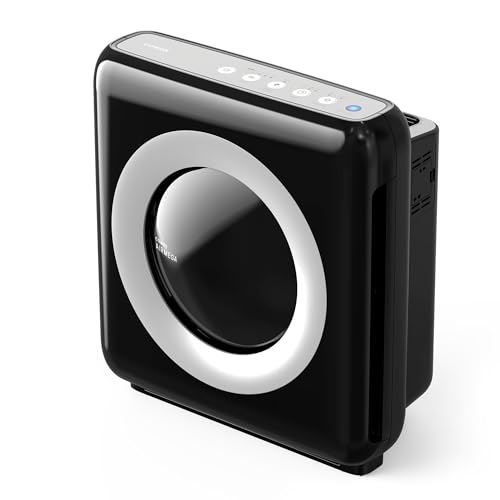
A dehumidifier controls moisture but does not filter airborne particles like pollen or pet dander. For comprehensive allergy relief, pair a dehumidifier with an air purifier that uses a HEPA filter. The combination addresses both humidity and particulate matter effectively.
How often should I clean my dehumidifier filter?
Most manufacturers recommend cleaning the washable filter every two to four weeks, depending on usage and air quality. A dirty filter reduces airflow and efficiency, allowing allergens to recirculate. Models like the Waykar and Hisense units have indicator lights that remind you when maintenance is due.
Will a dehumidifier help with mold allergies?
Yes, by keeping humidity below 50 percent, a dehumidifier creates an environment where mold cannot grow. For existing mold issues, you must clean affected areas first, then use the dehumidifier to prevent recurrence. For persistent dampness, consider a unit with continuous drainage for long term operation.