🔥 Black Friday Air Purifier Deals of 2026: picks worth watching →
When you walk into a room and feel that something is off in the air—maybe it’s stuffy, dusty, or smells odd—you might wonder what’s really floating around. That’s where the best indoor air quality monitor comes in. These devices give you real-time data on pollutants like CO2, PM2.5, and VOCs, helping you make smarter decisions about ventilation and air purification. Whether you’re a parent worried about your child’s bedroom, an office worker seeking better focus, or someone with allergies, this guide will help you find the perfect monitor for your needs. We’ve evaluated seven top models to bring you clear, actionable recommendations. For more context on why air quality matters, check out our comprehensive air quality monitor guide.




Buying Guide: What to Look for in an Indoor Air Quality Monitor
Sensor Accuracy and Range
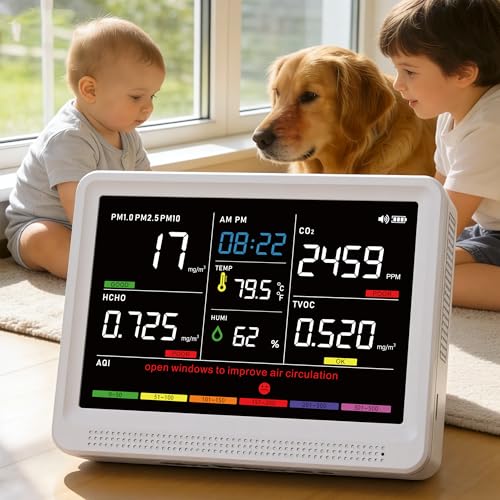
The heart of any air quality monitor is its sensor array. Look for devices that use laser particle counters for PM2.5 and NDIR (non-dispersive infrared) technology for CO2, as these provide the most reliable readings. High-accuracy monitors can detect changes as small as 0.001 units, which is crucial for spotting pollution spikes from cooking or cleaning. For example, the YNAK 16-in-1 model uses external high-precision sensors for superior accuracy. For a deeper dive into sensor technology, read our airthings view plus review.
Number of Parameters Monitored
More parameters mean a fuller picture of your indoor air. Essential ones include CO2, PM2.5, temperature, and humidity. Advanced monitors also track TVOCs, formaldehyde, and even radon. If you have specific concerns—like new furniture off-gassing VOCs or a basement prone to radon—choose a model that covers those pollutants. The Airthings 2960 View, for instance, measures radon alongside seven other factors. Our air quality monitors category page has more options.
Display and Connectivity
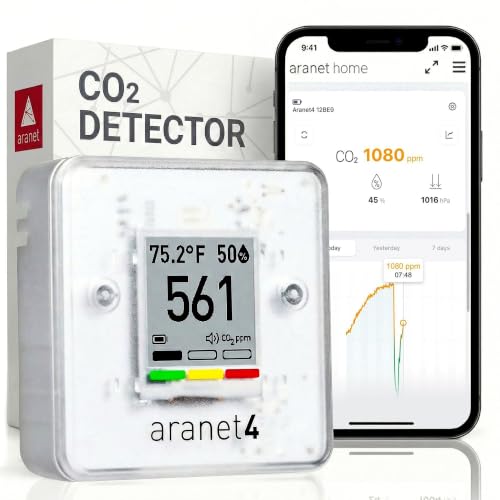
A clear, easy-to-read display is vital for at-a-glance updates. Look for adjustable brightness and color-coded alerts that indicate air quality levels. Connectivity features like Wi-Fi or Bluetooth let you monitor remotely via a smartphone app, set alerts, and even integrate with smart home devices. For example, the Amazon Smart Air Quality Monitor works seamlessly with Alexa for voice-activated routines. If you prefer a cable-free setup, the Aranet4 offers a battery life of up to four years with its e-ink display. Learn more about smart integration in our air quality hub.
Data History and Export
Tracking trends over time helps you identify patterns—like when CO2 peaks during the day or after using certain products. Many monitors store data for days or months, and some allow export for deeper analysis. The BREATHE Airmonitor Plus Gen 2 offers 90-day history and data export via its app, which is excellent for health-conscious users. For a detailed comparison of data features, see our BREATHE Airmonitor Plus Gen 2 review.
Final Thoughts
Choosing the best indoor air quality monitor comes down to your specific needs: if you want comprehensive, professional-grade data with multi-parameter coverage, the 16 in 1 Air Quality Monitor Indoor High-Precision from YNAK stands out for its accuracy and clear display. For a budget-friendly, smart-home-integrated option that works with Alexa, the Amazon Smart Air Quality Monitor is a solid pick. Whichever you choose, you’ll gain valuable insights into your indoor environment, helping you breathe easier and live healthier.
Related Guides
- Best VOC Air Quality Monitor Picks for 2026
- Airthings Radon Detector Review
- Airthings Wave Plus Review
Frequently Asked Questions
What does an indoor air quality monitor measure?
Most monitors measure carbon dioxide (CO2), particulate matter (like PM2.5), temperature, and humidity. Higher-end models also detect volatile organic compounds (VOCs), formaldehyde, and radon. The specific sensors vary by model, so check the product specs for your needs.
How often should I check my air quality monitor?
For ongoing awareness, check it daily or set up app alerts for real-time notifications. Many monitors update every few seconds, so you can see changes instantly. For trend analysis, reviewing weekly or monthly data in 2026 helps spot recurring issues like poor ventilation during winter.
Can an air quality monitor help with allergies?
Yes, by tracking PM2.5 and pollen levels, you can identify triggers and take action—like running an air purifier or closing windows. Some monitors also integrate with smart devices to automate purification. For more tips, read our best air quality monitor guide.
Do I need a monitor with Wi-Fi?
Wi-Fi adds convenience for remote monitoring, data logging, and smart home integration. However, if you only need basic readings at home, a non-connected model with a good display works fine. Battery-powered options like the Aranet4 are ideal for portability without Wi-Fi.