🔥 Black Friday Dehumidifier Deals 2026: picks worth watching →
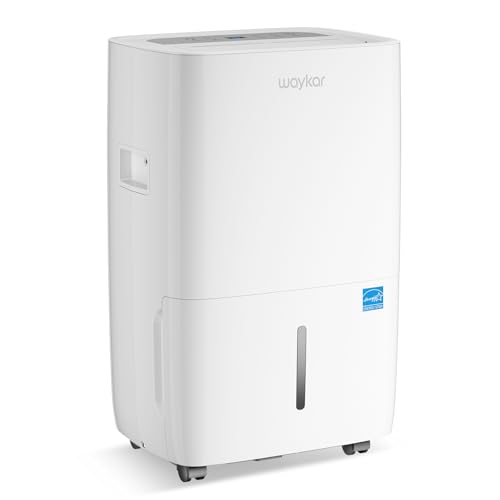
If your basement feels damp, musty, or just a bit too sticky, you know the struggle. Excess moisture can lead to mold, mildew, and that unpleasant smell that seems to linger no matter what. A medium size dehumidifier is often the perfect solution, offering enough capacity to handle a typical basement without being oversized or overly expensive. In this guide, we have evaluated nine of the top models available, focusing on features like Energy Star certification, quiet operation, and smart controls. Whether you need a unit for a large finished basement or a smaller crawl space, our picks will help you find the right fit. For more on keeping your space dry, check out our review of the Waykar 80 Pints Energy Star model.



Buying Guide: What to Look For in a Medium Size Dehumidifier for Your Basement
Capacity and Coverage Area
The most important factor is how much moisture the unit can remove per day, measured in pints. For a medium size basement, look for a model that can handle between 30 and 80 pints daily. This range covers spaces from around 1,000 to 5,500 square feet. A unit with too little capacity will run constantly and never catch up, while one that is too large may cycle on and off too frequently, wasting energy. Always match the dehumidifier’s rating to the size of your basement and the typical humidity level in your area.
Also consider the unit’s coverage area in square feet. Many brands provide a maximum square footage, but this is often based on ideal conditions. For real-world performance, choose a model that is rated for a space slightly larger than your basement. This ensures it can handle the load even on the most humid days. For more on choosing the right size, read our guide on dehumidifiers for flooded basements.
Energy Efficiency and Certification
Running a dehumidifier for hours each day can add up on your electric bill. That is why Energy Star certification is a must. Models that earn this label use less energy while still removing the same amount of moisture. Some units go a step further with the Energy Star Most Efficient designation, which represents the top tier of efficiency. Look for this badge if you want the lowest operating costs over time. It is a small upfront investment that pays off in the long run.
Noise Level and Quiet Operation
If your basement is used as a living space, home office, or guest room, noise matters. Many modern dehumidifiers are designed to operate quietly, with sound levels as low as 35 to 45 dB. That is about as loud as a quiet conversation or a gentle hum. Look for models with a sleep mode or a night setting that dims the lights and reduces fan speed. A quiet unit makes a big difference in comfort, especially if the dehumidifier runs while you sleep or work.
Also check if the unit has a built-in handle and wheels for easy movement. This is handy if you need to move it from the basement to another room. For more on quiet models, see our top picks for Frigidaire dehumidifiers.
Drainage Options and Maintenance
Emptying a water tank every few hours is a hassle. The best medium size dehumidifiers offer flexible drainage options. A built-in tank with an auto shutoff feature is standard, but for continuous operation, a drain hose connection is essential. Many units come with a short hose, and you can attach a standard garden hose for a longer run to a floor drain. Some models also support an external pump for draining upward, which is useful if your basement lacks a floor drain. Regular cleaning of the filter and the water tank keeps the unit running efficiently and prevents mold growth.
Final Thoughts
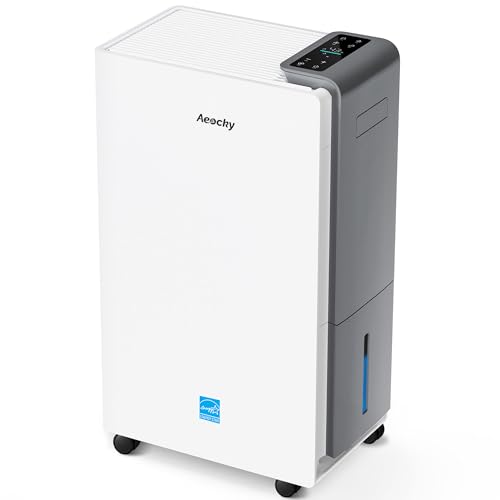
Choosing the right medium size dehumidifier for your basement comes down to balancing capacity, efficiency, and convenience. For most basements, the Waykar 80 Pints 5000 Sq. Ft 2025 Energy Star offers a strong combination of power and quiet operation, while the AEOCKY 5500 Sq.Ft Energy Star Most Efficient 2025 stands out for its top-tier energy savings and smart features. Both are excellent choices that will keep your basement dry and comfortable all year round.
Related Guides
Frequently Asked Questions
What size dehumidifier do I need for a medium basement?
For a medium basement, look for a unit that removes 30 to 80 pints of moisture per day. This range covers spaces from about 1,000 to 5,500 square feet. Always choose a model slightly larger than your room size for best results.
How often should I empty the water tank?
It depends on the humidity level and the tank size. Most medium dehumidifiers have a 1 to 2 gallon tank that may need emptying every 8 to 24 hours in a damp basement. For convenience, use the continuous drain hose option to avoid manual emptying.
Are Energy Star dehumidifiers worth it?
Yes, Energy Star certified models use less electricity while removing the same amount of moisture. Over a year, the savings can be significant, especially if you run the unit daily. The Energy Star Most Efficient label offers the highest level of efficiency.
Can I use a medium dehumidifier in a cold basement?
Yes, but look for models with auto defrost features. Compressor dehumidifiers can frost up in temperatures below 65°F. Units with smart defrost systems automatically melt frost and continue operating, making them suitable for cooler basements in 2026.