🔥 Black Friday Air Purifier Deals of 2026: picks worth watching →
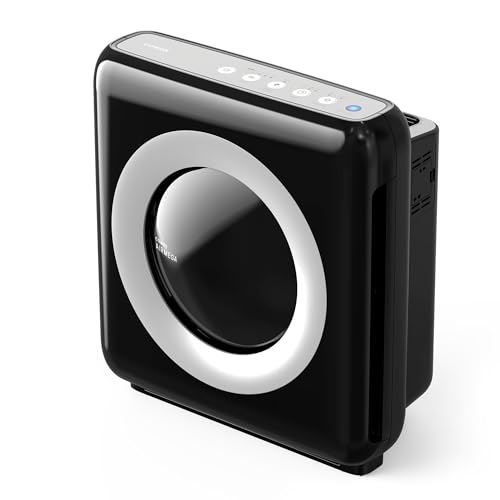
You wake up with a scratchy throat, wondering if the air in your home is safe. Microscopic bacteria and viruses can linger in indoor spaces, triggering allergies or worse. This guide reviews the best air purifiers designed to capture bacteria and viruses, helping you breathe easier. Whether you’re managing asthma, pet sensitivities, or just want cleaner air, we evaluated top models from Honeywell, Levoit, Shark, and Austin Air to find the best air purifier for bacteria and viruses for 2026.
Our picks include HEPA filtration that captures 99.97% of particles as small as 0.3 microns, carbon filters for odors, and smart sensors that adjust automatically. For those with specific allergy concerns, check our top HEPA air purifiers for cat allergies for additional insights.





Buying Guide: What to Look For
HEPA Filtration Standard
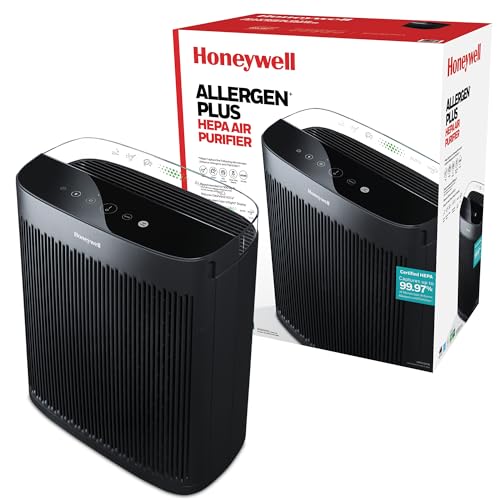
True HEPA filters are the gold standard for trapping microscopic particles, including bacteria and viruses. Look for models that exceed basic HEPA requirements, capturing over 99.97% of airborne contaminants. Many of our picks, like the Honeywell and Shark models, use advanced HEPA filtration that captures particles as small as 0.1 microns.
Room Size Coverage
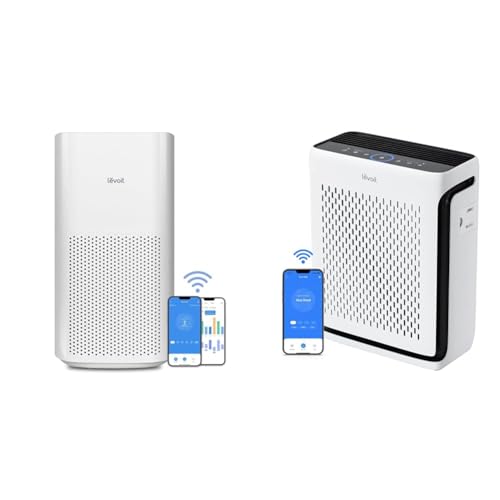
Match the purifier’s coverage to your room dimensions. For open floor plans or large spaces, choose units that refresh air at least once per hour. The Levoit Core 600S-P covers up to 2,933 square feet, while the Austin Air HealthMate handles up to 1,500 square feet. Smaller bedrooms may need a compact model like the LEVOIT for 1,110 square feet.
Filtration Stages
Multi-stage filtration combines a pre-filter for large particles, a HEPA filter for microscopic threats, and an activated carbon filter for odors and VOCs. Some models add UV-C light or ionizers, but HEPA alone suffices for bacteria and viruses. Check our air purifiers for allergies guide for more details on filtration types.
Smart Features and Auto Mode
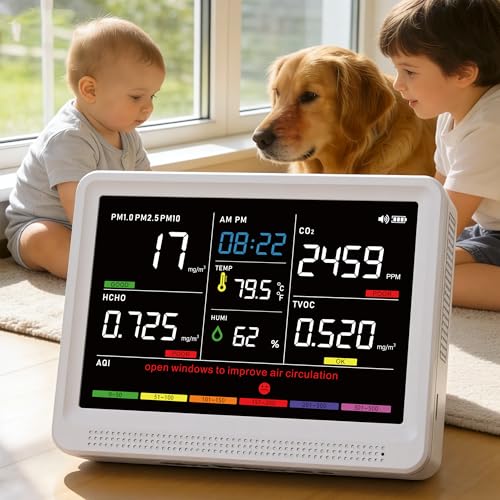
Real-time air quality sensors and auto mode adjust fan speed automatically to maintain clean air. Smart connectivity via apps or voice assistants adds convenience. The Shark BreatheClear scans air 3,600 times per hour, reacting instantly to changes. For energy efficiency, consider models with sleep modes that dim lights and reduce noise.
Final Thoughts
For most homes, the Levoit Smart Air Purifiers for Home Large Room offers powerful coverage and smart features, while the Austin Air HealthMate Standard Air Purifier provides long-lasting filtration for persistent allergies and chemical sensitivities. Choose based on your room size and specific needs for bacteria and virus protection.
Related Guides
- Best Blueair Filters for Clean Air in 2026
- Shark NeverChange Air Purifier Max Review
- PuroAir 240 HEPA Review
- Blueair vs Dyson: Which Air Purifier Is Right for You?
Frequently Asked Questions
Can air purifiers kill bacteria and viruses?
HEPA filters capture bacteria and viruses by trapping them in the filter media, but they don’t kill them. Some models use UV-C light or heat to neutralize pathogens. For best results, choose a HEPA filter with a high CADR rating for your room size.
What is the best HEPA filter for viruses?
True HEPA filters capture 99.97% of particles as small as 0.3 microns, which includes most bacteria and viruses. For enhanced protection, look for models with HEPA H13 or H14 ratings, or those that exceed HEPA standards like the Shark NeverChange models.
How often should I replace the filter?
Most filters last 6 to 12 months with regular use. Some models, like the Austin Air HealthMate, offer up to 5 years of filter life. Check the manufacturer’s recommendations and monitor filter life indicators. For more tips, visit our air quality guide.
Are air purifiers safe for pets?
Yes, air purifiers are safe for pets and can reduce pet dander and odors. Choose models with washable pre-filters to capture fur, and avoid ionizers that produce ozone, which can harm pets. Check our air purifiers for pets page for specific recommendations.