
If you wake up sneezing or find your eyes watering indoors, your air quality might be to blame. Allergens like pollen, dust mites, pet dander, and mold spores float invisibly through your home, triggering symptoms every time you breathe. The right air purifier can capture these particles and give you real relief. In this guide, we review nine of the best air purifiers for allergies in 2026, covering models from Coway, Levoit, BLUEAIR, and more. Whether you need a unit for a large living room or a quiet bedroom companion, we have you covered. For more insights on top brands, check out our Best Levoit Air Purifier guide.




Buying Guide: What to Look for in an Air Purifier for Allergies
Filtration Technology: HEPA and Beyond
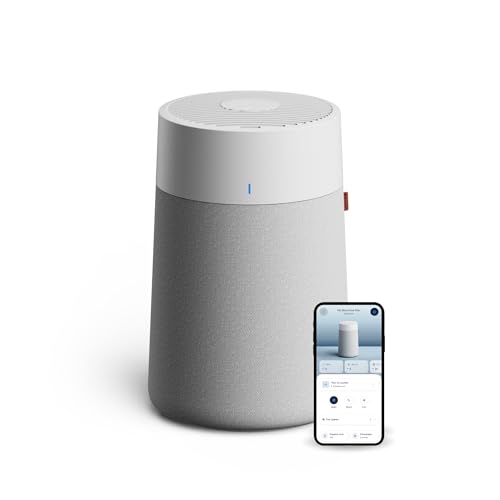
For allergy sufferers, a True HEPA filter is non-negotiable. These filters capture at least 99.97% of airborne particles as small as 0.3 microns, including pollen, dust mites, and pet dander. Many models also add a pre-filter to trap larger particles and an activated carbon layer to reduce odors. Some brands, like BLUEAIR, use a hybrid HEPASilent technology that combines electrostatic and mechanical filtration for higher efficiency with less noise. Always look for independent certifications like AHAM Verifide to confirm performance.
Room Size and CADR Ratings
Matching the purifier to your room size is crucial. The Clean Air Delivery Rate (CADR) tells you how quickly the unit can filter smoke, dust, and pollen. For a bedroom, a CADR of 100+ is usually enough; for a large open-plan living area, aim for 200+. Many models list a maximum coverage area, but we recommend choosing a unit that can exchange the air in your room at least four times per hour. For more on sizing, read our best air purifiers for home article.
Noise Levels and Sleep-Friendly Features
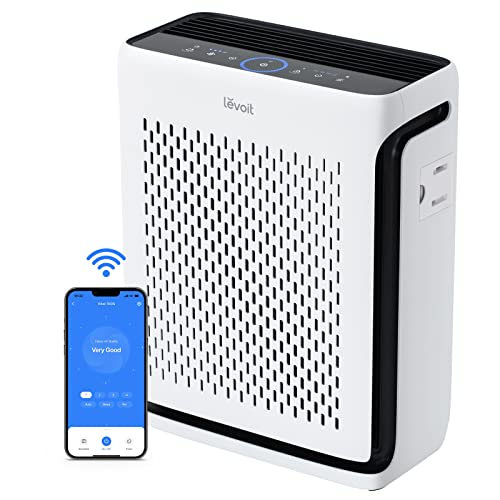
Allergy relief shouldn’t come at the cost of a good night’s sleep. Look for models with a dedicated Sleep Mode that runs at whisper-quiet levels (around 20 to 25 dB). A dimmable or auto-off display is also helpful for light sleepers. The LEVOIT Vital 100S-P, for instance, uses light detection to automatically dim its screen in the dark. If you plan to use the purifier in a nursery or bedroom, prioritize quiet operation.
Smart Features and Convenience
Modern air purifiers often include real-time air quality sensors, auto mode, and app connectivity. These features let the purifier adjust its fan speed based on the current pollution level, saving energy and ensuring consistent air cleaning. A filter replacement indicator is another handy convenience. For pet owners, a dedicated Pet Mode (found on models like the MOOKA PR1 and LEVOIT Vital 100S-P) boosts filtration speed when dander levels rise. For more on HEPA filtration, visit our HEPA Air Purifiers category.
Final Thoughts
Choosing the best air purifier for allergies comes down to your specific needs: room size, filtration quality, and extra features like quiet operation or smart controls. For a powerful, large-room solution with excellent odor control, the COWAY Air Purifier for Home Up to 1,748ft² is a standout choice, backed by a four-stage filtration system and real-time air quality monitoring. If you prefer a compact, budget-friendly option that still delivers HEPA-grade filtration, the BLUEAIR Air Purifiers for Home Bedroom Dorm up offers whisper-quiet operation and smart app control, making it ideal for bedrooms or small spaces. Whichever you choose, investing in a quality air purifier will help you breathe cleaner, fresher air every day.
Frequently Asked Questions
What type of air purifier is best for allergies?
True HEPA air purifiers are the gold standard for allergies because they capture 99.97% of airborne particles, including pollen, dust mites, and pet dander. Look for models that are AHAM Verifide certified for verified performance.
How often should I replace the filter in an allergy air purifier?
Most manufacturers recommend replacing the HEPA filter every 6 to 12 months, depending on usage and air quality. Some models have a filter replacement indicator to remind you. For optimal allergy relief, follow the brand’s guidelines for your specific unit.
Can an air purifier help with pet allergies?
Yes, a HEPA air purifier can significantly reduce pet dander and hair in the air. Models with a washable pre-filter and a Pet Mode, like the MOOKA PR1 or LEVOIT Vital 100S-P, are especially effective for households with dogs or cats.
Should I leave my air purifier on all the time?
For continuous allergy relief, it’s best to run the purifier 24/7, especially during peak allergy seasons. Many modern units are energy-efficient and have quiet sleep modes, so they won’t disturb your rest or inflate your electric bill. For more tips, see our best winix air purifier guide.