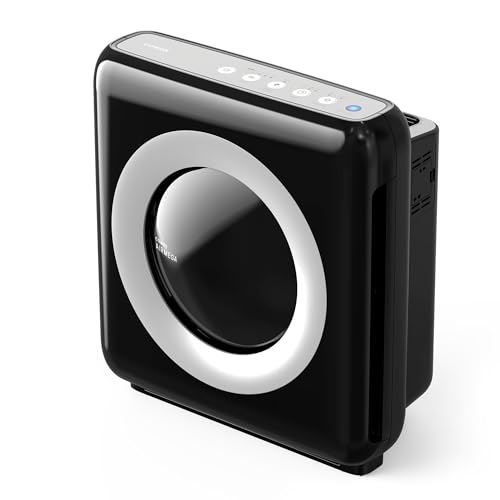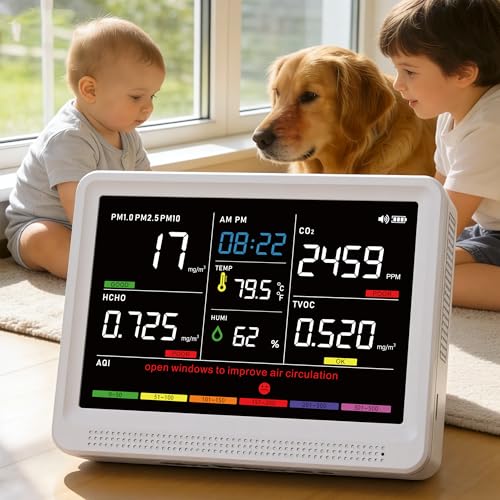
🔥 Black Friday Air Purifier Deals of 2026: picks worth watching →
Waking up with a stuffy nose, itchy eyes, or a scratchy throat is a miserable way to start the day. If you are an allergy sufferer, you know that indoor allergens like dust mites, pet dander, pollen, and mold spores can turn your home into a sneeze factory. That is where the best room air purifier for allergies comes in, offering a proven way to capture these microscopic irritants and dramatically improve your indoor air quality. This guide reviews ten of the most effective models on the market in 2026, helping you choose the right one for your space and symptoms. For more insight on choosing the right device, you can read our comprehensive guide to the best air purifiers for allergies.


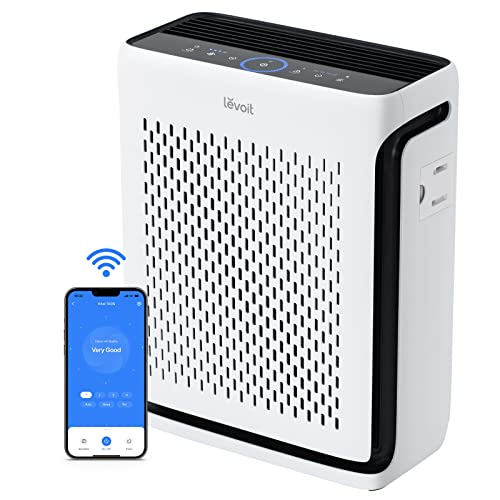


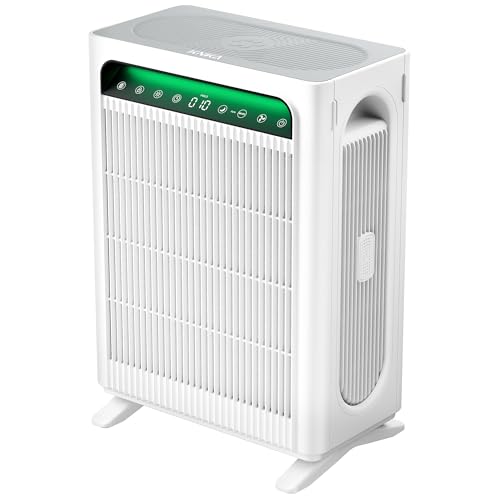


Not sure what size you need? Use our air purifier size calculator to find the right CADR for your room.
Buying Guide: What to Look for in an Allergy Air Purifier
Choosing the right air purifier for allergies involves more than just picking a popular brand. Here are three critical factors to consider.
Filtration Technology: The Heart of the Machine
The most important feature is a True HEPA filter. This standard is certified to capture 99.97% of airborne particles as small as 0.3 microns, which includes the vast majority of common allergens like pollen, dust mite debris, and pet dander. Many top models also include a pre-filter to trap larger particles like pet hair, extending the life of the main HEPA filter. Some units add an activated carbon layer to absorb odors and volatile organic compounds (VOCs). For pet owners, we also recommend checking out our picks for the best HEPA air purifiers for pet allergies.
Room Size and CADR Rating
An air purifier is only effective if it is powerful enough for the room you place it in. The Clean Air Delivery Rate (CADR) tells you how quickly the unit can filter the air. A higher CADR for smoke, dust, and pollen means faster cleaning. Always match the purifier’s recommended room size to your space. For a bedroom, a smaller unit might suffice, but for an open-concept living area, you will need a more powerful model. For larger spaces, you can explore our selection of large room air purifiers.
Noise Level and Smart Features
Since you will likely run your purifier while sleeping, a quiet operation is crucial. Look for models with a dedicated Sleep Mode that dims lights and lowers fan speed to near-silent levels (often around 20-25 dB). Smart features like auto mode, which adjusts fan speed based on real-time air quality readings, and app control for scheduling and remote operation, add significant convenience. For more general advice, you can visit our main air purifier category page.
Final Thoughts
After evaluating the top contenders, our recommendation for the best room air purifier for allergies comes down to two standout choices. For a powerful, whole-room solution with advanced sensing and smart features, the LEVOIT Smart Air Purifier for Home Large Room is an excellent investment, especially for larger living areas. If you are looking for an effective and budget-friendly option for a bedroom or smaller space, the Levoit Air Purifiers for Bedroom Home Pets Dorm offers outstanding value with its quiet operation and reliable filtration. Both are certified by AHAM and built to help you breathe easier, regardless of the season.
Related Guides
Frequently Asked Questions
How often should I replace the filter in my allergy air purifier?
Most manufacturers recommend replacing the HEPA filter every 6 to 12 months, depending on usage and air quality. Many modern purifiers have a filter replacement indicator light that takes the guesswork out of maintenance. In 2026, models with washable pre-filters, like the LEVOIT Air Purifier for Home Pets Bedroom Dorm, can help extend the life of the main filter by capturing larger particles first.
Can an air purifier help with pet allergies?
Yes, absolutely. A HEPA air purifier is one of the most effective tools for reducing pet dander and hair in the air. Many of the models reviewed here, such as the Levoit Air Purifier for Home Pets Hair Allergens, are specifically designed for pet owners. For more information, see our dedicated guide to HEPA air purifiers for cat allergies.
What is the difference between a HEPA and a True HEPA filter?
Both terms are often used interchangeably, but True HEPA is a specific standard. A True HEPA filter must capture 99.97% of particles at 0.3 microns. Some filters labeled simply as “HEPA-type” or “HEPA-grade” may not meet this strict standard. For allergy relief, always look for a certified True HEPA filter to ensure maximum particle capture.
Should I run my air purifier 24/7?
For the best results with allergies, it is recommended to run your air purifier continuously. Most modern units are designed for constant operation and are energy-efficient. Running it all day ensures that the air is constantly being filtered, which is especially important during high-pollen seasons or if you have pets. For more tips, you can explore our air purifiers for pets category.