🔥 Black Friday Humidifier Deals 2026: picks worth watching →
Waking up with a dry throat, stuffy nose, or a coughing fit can make mornings feel like a battle. If you or a loved one deals with asthma or seasonal allergies, the air in your bedroom might be working against you. Dry air irritates sensitive airways, while overly humid air can encourage dust mites and mold. That is why finding the best humidifier for asthma and allergies is a game-changer for your respiratory health. In this guide, we have evaluated nine top-rated models from trusted brands like Vicks, Voyenna, MEGAWISE, and more to help you breathe easier and sleep soundly. Whether you need a compact unit for a nursery or a large-capacity model for a whole room, we have you covered.



Buying Guide
Mist Type: Cool vs. Warm
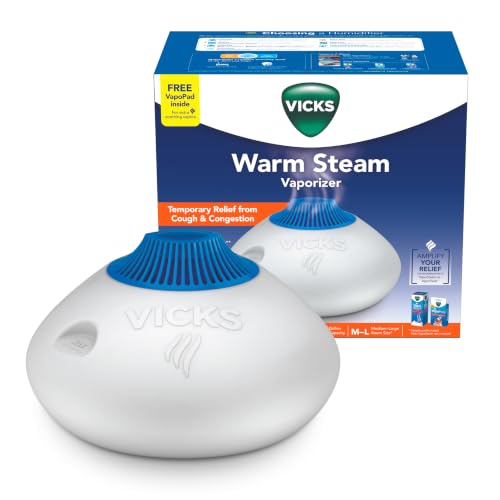
The type of mist your humidifier produces matters for both comfort and safety. Cool mist humidifiers use ultrasonic technology to create a fine, room-temperature vapor that is safe around kids and pets. They also help soothe inflamed nasal passages without raising the room temperature. Warm mist models, like the Vicks Warm Steam Vaporizer Humidifier for Medium, boil water to produce steam, which can feel more comforting during colds but requires caution around little ones. For asthma and allergy relief, cool mist is generally preferred because it adds moisture without creating a breeding ground for bacteria.
Room Size and Coverage
Choosing the right capacity prevents constant refills or inadequate humidity. Small rooms (up to 300 sq. ft.) work well with 2-3 liter tanks, while larger spaces need 4 liters or more. The DREO Smart Humidifiers for Bedroom offers a 4L tank and up to 36 hours of runtime, making it ideal for medium bedrooms. For whole-home comfort, the Lacidoll 8L Large Humidifier covers up to 800 sq. ft. and runs for 48 hours. Always match the humidifier’s coverage to your room size to avoid over-humidification or dry spots.
Noise Level and Sleep Features
A quiet humidifier is essential for uninterrupted sleep, especially for light sleepers or infants. Look for models rated at 30 dB or lower, the Clarston Humidifiers for Bedroom operates at just 24 dB, barely a whisper. Features like a nightlight, auto shut-off, and aromatherapy compatibility add convenience. The MEGAWISE 3.5L Quiet Humidifier includes a 7-color nightlight and essential oil tray, perfect for creating a calming bedtime routine. If you have pets, a quiet unit also helps them stay relaxed.
Ease of Cleaning and Maintenance
Humidifiers need regular cleaning to prevent mold and mineral buildup, which can worsen allergies. Top-fill designs with wide openings make refilling and scrubbing simple. The Levoit Humidifiers for Bedroom Large Room features a detachable sink that is dishwasher-safe, saving you time. Filter-free models, like the Lacidoll 8L, eliminate replacement costs. For deeper cleanliness, consider models with antimicrobial materials, such as the Levoit Humidifiers for Bedroom 3.2L for Large, which uses silver ions to inhibit microbial growth. A clean humidifier means cleaner air for your lungs.
Final Thoughts
Selecting the best humidifier for asthma and allergies comes down to your specific needs: room size, noise tolerance, and maintenance preferences. For a smart, set-and-forget solution with precise humidity control, the DREO Smart Humidifiers for Bedroom stands out with its app and voice commands. If you prefer a budget-friendly, ultra-quiet option for a nursery or small bedroom, the MEGAWISE 3.5L Quiet Humidifier, 7-Color Light delivers reliable performance with a soothing nightlight. Both models prioritize your respiratory comfort without breaking the bank. Breathe easier, sleep deeper, and wake up refreshed.
Related Guides
Frequently Asked Questions
Can a humidifier help with asthma symptoms?
Yes, adding moisture to dry air can soothe irritated airways and reduce coughing. However, it is important to keep humidity levels between 30 and 50 percent to prevent mold and dust mites. A humidifier with a built-in hygrometer, like the DREO Smart model, helps maintain that balance automatically.
Should I use cool mist or warm mist for allergies?
Cool mist is generally recommended for allergies because it does not raise the room temperature or promote bacterial growth. Warm mist can be soothing for colds but may be less ideal for year-round allergy relief. Both types are effective, but cool mist is safer around children and pets.
How often should I clean my humidifier?
For best results, empty and wipe the tank daily, and perform a deep clean every week using vinegar or a mild disinfectant. Models with dishwasher-safe parts, like the Levoit 3.2L, make this chore much easier. Regular cleaning prevents mold and ensures the mist stays pure.
Can I add essential oils to any humidifier?
Only if the humidifier is designed for aromatherapy. Models like the MEGAWISE 3.5L and the Frida 3-in-1 include a dedicated diffuser pad or oil tray. Adding oils to a non-compatible unit can damage the plastic and void the warranty. Always check the manual first.