🔥 Black Friday Dehumidifier Deals 2026: picks worth watching →
Imagine walking into your cellar and being greeted by a musty smell, damp walls, and that faint chill that never seems to lift. You know the feeling. Moisture in a cellar is more than a nuisance; it can damage stored items, promote mold growth, and make the space feel unwelcoming. That is exactly why we put together this guide. We have evaluated seven top-rated dehumidifiers specifically for cellars and basements, covering models from Waykar, Hisense, Honeywell, and Frigidaire. Whether you have a small crawl space or a large finished basement, this review will help you find the perfect solution. For more on tackling dampness, check out our guide on the best dehumidifier for damp basement.

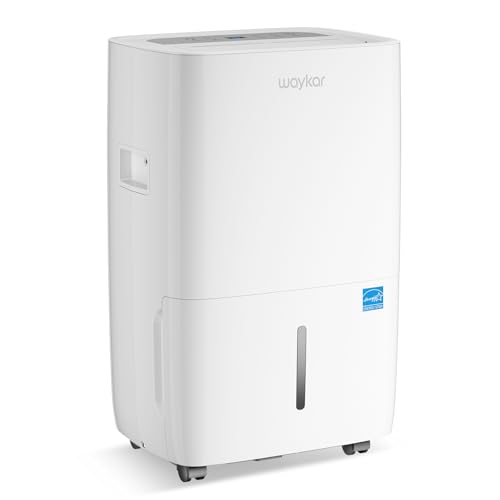
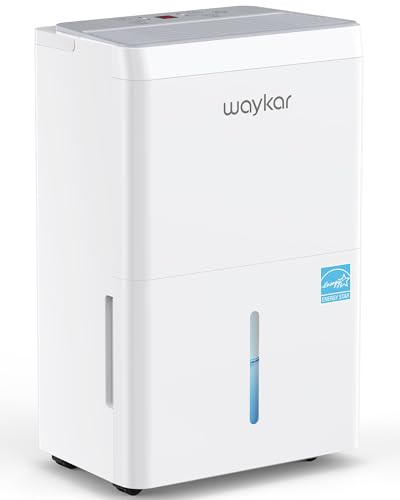


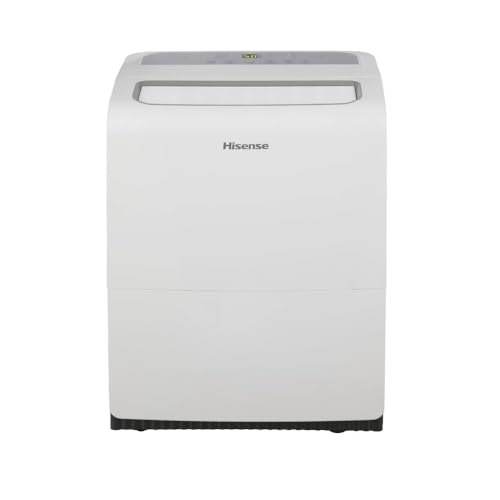

Buying Guide
Capacity and Coverage Area
The most critical factor when choosing a dehumidifier for your cellar is its capacity measured in pints per day and the square footage it can cover. Cellars are often larger and more humid than other rooms, so you need a unit that can keep up. For a standard cellar, a 50-pint model is a solid starting point. However, if your space is large or particularly damp, a 70-pint or 80-pint model will be far more effective. The coverage area is equally important; a unit rated for 3,000 square feet will struggle in a 5,000-square-foot cellar. Always match the capacity and coverage to the size and moisture level of your specific space.
When looking at the models we reviewed, you will notice a range from 32-pint units suitable for smaller cellars up to 80-pint giants designed for expansive basements. The best heavy duty basement dehumidifier typically falls in the 70-80 pint range, providing the power needed to tackle high humidity levels in large, unconditioned spaces.
Energy Efficiency and Operating Costs
Since a dehumidifier in a cellar often runs for extended periods, energy efficiency is a key consideration. Look for models that are ENERGY STAR certified. This certification ensures the unit meets strict energy efficiency guidelines set by the U.S. Environmental Protection Agency, which can translate to significant savings on your electricity bill over time. A more efficient unit uses less power to remove the same amount of moisture, making it a smarter long-term investment for your home.
Many of the models in our lineup, including the Waykar and Honeywell options, carry ENERGY STAR certification. This is a clear indicator that they are designed to keep your energy use in check while still delivering powerful dehumidification. For a deeper dive into energy-smart choices, you can read our review of the best Waykar 80 pints Energy Star dehumidifier.
Drainage Options and Convenience
Emptying a water tank in a cellar can be a hassle, especially if you have to carry it up stairs. The best dehumidifiers offer flexible drainage options. A removable water tank is standard, but for truly hands-free operation, look for a model with a continuous drain hose connection. Some higher-end units even include a built-in pump, which allows you to drain water upward to a sink or window, giving you even more placement flexibility.
Consider how you will use the unit. If your cellar has a floor drain or a window nearby, a simple gravity drain hose might be sufficient. If you need to pump water up, a model with a built-in pump like the Hisense 60-Pint is a game-changer. For a more detailed look at features, see our hisense 50 pint 2 speed dehumidifier review.
Noise Level and Operating Temperature
Cellars are often used as workshops, home theaters, or storage areas, so noise can be a concern. Check the decibel rating of any unit you consider. A quieter model, typically around 40-50 dB, will be less intrusive. Additionally, many cellars are cooler than the rest of the house. If your cellar stays below 65°F, you need a dehumidifier that can operate at lower temperatures. Some models have a minimum operating temperature of 41°F, while others can function down to 38°F, which is crucial for year-round performance in a cold cellar.
Final Thoughts
After thoroughly evaluating all seven dehumidifiers, our top recommendation for most cellars is the Waykar 80 Pints 5000 Sq. Ft 2025 Energy Star for its outstanding capacity, smart features, and energy efficiency at a great value. For those who need a quieter, more compact solution for a smaller cellar or a space where noise is a concern, the Honeywell 32-Pint ENERGY STAR Dehumidifier is a fantastic choice, offering reliable performance and specialized modes like Laundry Mode for added versatility. Both units will keep your cellar dry and comfortable for years to come.
Related Guides
- Top Dehumidifiers for Attic Spaces in 2026
- 7 Top Dehumidifiers for a 1000 Sq Ft Basement in 2026
- Midea 50 Pint Dehumidifier Review
Frequently Asked Questions
What size dehumidifier do I need for my cellar?
The size depends on your cellar’s square footage and humidity level. For a small cellar under 1,000 sq ft, a 30-50 pint model is often enough. For larger spaces or very damp conditions, a 70-80 pint unit is recommended. Always check the manufacturer’s coverage specifications to ensure the unit can handle your space effectively.
Can a dehumidifier run in a cold cellar during winter?
Yes, but you need a model designed for low-temperature operation. Many dehumidifiers, like the Hisense and Waykar models we reviewed, can operate down to 38°F or 41°F. Standard units may freeze up or become less efficient in cold conditions, so check the minimum operating temperature before purchasing for a cold cellar.
How often do I need to empty the water tank?
This varies by model and humidity level. A 50-pint dehumidifier in a very damp cellar might fill its tank in 8-12 hours. For hands-free operation, use the continuous drain hose feature. If that is not possible, choose a model with a large tank and a tank-full alert to minimize trips to empty it.
What is the difference between a dehumidifier for a cellar and one for a bedroom?
Cellar dehumidifiers are typically larger, more powerful, and designed for lower temperatures and higher humidity levels. They often have features like continuous drainage and auto-defrost. Bedroom dehumidifiers are usually smaller, quieter, and more focused on comfort. For a cellar, prioritize capacity and low-temperature performance. For more on general use, see our guide on the best dehumidifier for a room.