🔥 Black Friday Dehumidifier Deals 2026: picks worth watching →
When you’re dealing with a damp basement, a musty crawl space, or a commercial space that never seems to dry out, a standard household dehumidifier often falls short. You need a machine that can handle the volume, run continuously, and withstand the tough conditions. This guide reviews the best commercial grade dehumidifier options on the market in 2026, focusing on models that deliver professional-level moisture removal. We’ll break down the top picks from brands like ALORAIR, ARGENDON, and Airecoler to help you make an informed decision.
We’ve spent hours analyzing specifications, features, and user feedback to bring you a curated list of the most reliable and efficient commercial dehumidifiers. Whether you’re a contractor working on water damage restoration or a homeowner with a large, humid basement, this guide has you covered. For more on whole-home solutions, check our top whole house dehumidifier picks.



Buying Guide: What to Look For in a Commercial Dehumidifier
Choosing the right commercial dehumidifier involves more than just picking the one with the highest pint rating. Here are the key factors to consider before making your purchase.
Moisture Removal Capacity (Pints Per Day)
The most critical specification is the moisture removal capacity, measured in pints per day (PPD). Look for the AHAM (Association of Home Appliance Manufacturers) rating, which is measured at 80°F and 60% relative humidity. This gives you a real-world idea of performance. For large spaces, you’ll want a unit that removes at least 70 pints per day under AHAM conditions.
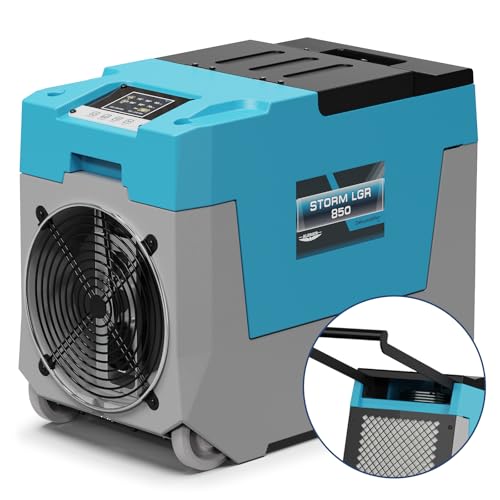
For example, the AlorAir 180 PPD LGR Commercial Dehumidifier boasts an 85-pint AHAM rating, making it suitable for areas up to 2,300 square feet. If you’re dealing with a smaller space, a 70-pint model like the Aeroid 70 Pints Commercial Dehumidifier might be sufficient, covering up to 1,200 square feet.
Built-In Pump vs. Gravity Drain
A built-in condensate pump is a game-changer for many installations. It allows you to drain water vertically, up to 16 feet or more, which means you can route the hose to a sink or window even if the dehumidifier is in a basement or crawl space. This “set and forget” feature is essential for continuous operation without manual emptying.
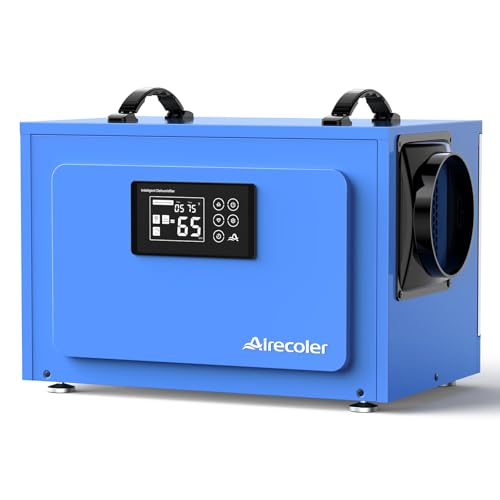
Gravity drain options are simpler but require a floor drain at a lower level. Most commercial units now come with both, but the pump’s lift height and included hose length are important details. For instance, the Airecoler 155 Pint Commercial Dehumidifier includes a pump that lifts water up to 16.4 feet, providing excellent flexibility.
Durability and Build Quality
Commercial environments demand rugged construction. Look for units with a metal outer casing, like the ALORAIR 113 Pints Crawlspace Dehumidifier, which can withstand rough conditions and is easy to maintain. A reliable compressor and corrosion-resistant coils are also vital for long-term performance.
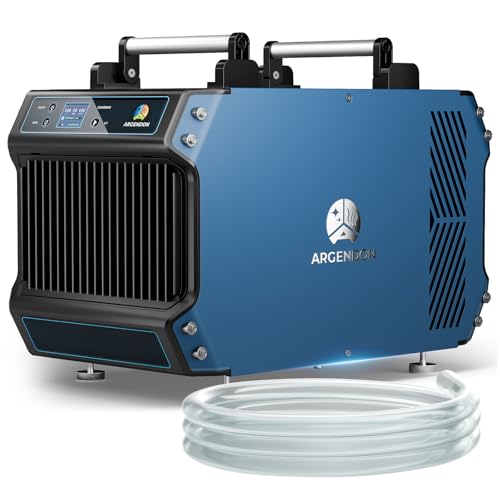
Additionally, consider the warranty. Brands like ALORAIR offer a 6-year limited warranty, which provides peace of mind. Some others, like ARGENDON, offer a 5-year warranty. A longer warranty often indicates higher confidence in the product’s durability.
Energy Efficiency and Operating Costs
Running a dehumidifier 24/7 can significantly impact your electricity bill. Look for ENERGY STAR certified models, which are verified to be more efficient. For example, the Airecoler 155 Pint and the Aeroid 70 Pint are ENERGY STAR certified, helping you save on operating costs while maintaining performance.
Efficiency is often measured by the Integrated Energy Factor (IEF). A higher IEF means more moisture removed per kilowatt-hour. The Airecoler model has an IEF of 2.01 L/kWh, which is excellent for its size. For more details on energy-efficient options for your home, see our basement dehumidifier guide.
Final Thoughts
Choosing the best commercial grade dehumidifier depends on your specific needs, but our top recommendations are the ALORAIR 113 Pints Crawlspace Dehumidifier for its robust build and reliable performance in tight spaces, and the AlorAir 180 PPD LGR Commercial Dehumidifier for its high capacity and pump-equipped convenience for larger restoration projects. Both offer excellent value and are backed by strong warranties, making them solid choices for any demanding environment.
Related Guides
- Top Dehumidifiers for Attic Spaces in 2026
- 7 Top Dehumidifiers for a 1000 Sq Ft Basement in 2026
- Midea 50 Pint Dehumidifier Review
- Best Dehumidifier for Refrigerator: Top Picks for 2026
Frequently Asked Questions
What size commercial dehumidifier do I need for my basement?
For a typical basement up to 1,500 square feet, a unit with a 70-pint AHAM rating is usually sufficient. For larger areas or severe moisture issues, consider a 100-pint or higher model. Our guide on crawl space dehumidifiers offers more specific recommendations.
Can I use a commercial dehumidifier in my home?
Absolutely. Many commercial dehumidifiers are designed to be portable and compact, making them suitable for residential use, especially in large basements, garages, or whole-house installations. They are often more durable than household models and can handle continuous operation.
How often do I need to empty the water tank?
Most commercial dehumidifiers are tankless and use continuous drainage via a hose. With a built-in pump, you can drain water vertically to a sink or outside, so you never need to manually empty a tank. This is a key feature for unattended operation.
Are ENERGY STAR certified dehumidifiers worth it?
Yes, ENERGY STAR certified dehumidifiers use significantly less energy than standard models, which can lead to substantial savings on your electricity bill over time. They are also better for the environment, making them a smart investment for long-term use.