🔥 Black Friday Air Purifier Deals of 2026: picks worth watching →
If your basement feels musty, smells like damp concrete, or leaves you sneezing every time you head downstairs, you are not alone. Basements are notorious for poor air circulation, higher humidity, and hidden pollutants like mold spores, dust mites, and volatile organic compounds from stored paints or cleaning supplies. A dedicated air purifier can transform that stale underground space into a fresh, breathable part of your home. In this guide, we have evaluated seven top-rated models specifically for basement conditions, covering everything from compact units for small storage areas to powerful machines that handle large, open layouts. Whether you need to tackle pet dander, wildfire smoke, or just everyday dust, we will help you find the right fit.





Not sure what size you need? Use our air purifier size calculator to find the right CADR for your room.
Buying Guide
Room Size and CADR Rating
The most critical factor for a basement air purifier is coverage area. Basements often have open floor plans, high ceilings, or odd shapes, so you need a unit that can handle the square footage. Look for the Clean Air Delivery Rate (CADR), which measures how quickly the machine filters smoke, dust, and pollen. A higher CADR means faster cleaning. For a typical basement up to 1,500 square feet, choose a model rated for at least 2,000 square feet to ensure effective air turnover. If you are unsure about your space, check our guide on top rated HEPA air purifiers for home for more sizing tips.
Filtration Type: HEPA vs. Carbon vs. Specialty
Basement air often contains a mix of particles and gases. A true HEPA filter captures 99.97% of airborne particles as small as 0.3 microns, including dust, mold spores, and pet dander. Activated carbon filters are essential for odors from moisture, chemicals, or smoke. Some models, like those with zeolite or specialized anti-allergen media, go a step further to neutralize VOCs. For allergy sufferers, we recommend exploring our air purifiers for allergies section for targeted solutions.
Noise Level and Smart Features
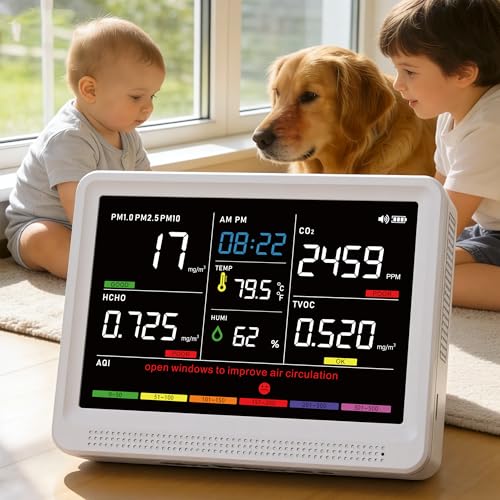
Basements are often used as home theaters, gyms, or guest rooms, so noise matters. Look for units with a sleep mode or quiet operation below 30 dB. Smart features like auto mode, air quality sensors, and app control add convenience, especially if the basement is not used daily. Some models even detect motion and adjust fan speed automatically. For more on improving basement air, read our air quality resources.
Maintenance and Filter Longevity
Basements can be dusty, so filter life matters. Some purifiers offer washable pre-filters that capture large particles, extending the life of the main HEPA filter. Others feature long-lasting filters that need replacement only every few years, saving you money and hassle. If your basement is prone to flooding, consider pairing your purifier with a dehumidifier, see our best dehumidifier for flooded basement guide for recommendations.
Final Thoughts
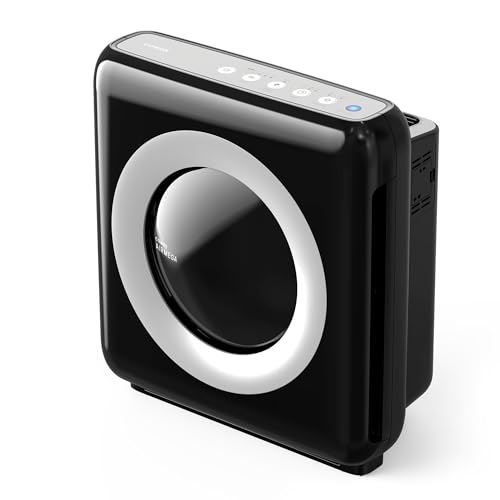
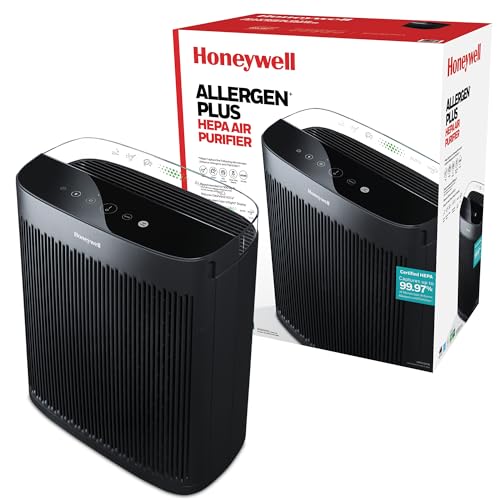
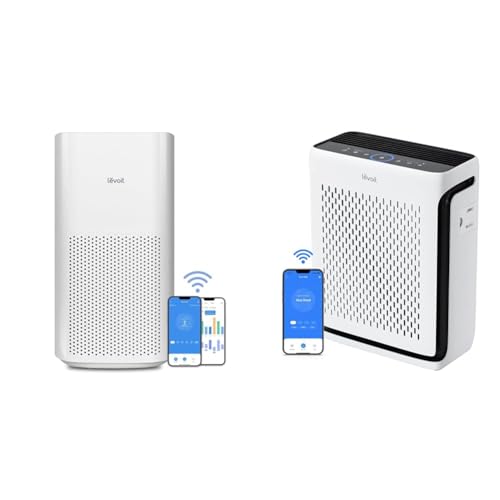
Choosing the best air purifier for your basement comes down to balancing coverage, filtration power, and smart features. For large, open basements with persistent odors and allergens, the Honeywell HEPA Air Purifier for Home delivers exceptional performance with its advanced HEPA filtration and auto mode. If you prefer a quieter, app-controlled option that adapts to your daily routine, the Levoit Smart Air Purifiers for Home Large Room offers powerful purification with a sleek design. Either way, you will breathe easier knowing your basement air is clean and fresh.
Related Guides
- Best Blueair Filters for Clean Air in 2026
- Shark NeverChange Air Purifier Max Review
- PuroAir 240 HEPA Review
Frequently Asked Questions
What size air purifier do I need for my basement?
Measure your basement’s square footage and multiply by 1.5 to account for typical obstructions and lower ceilings. Choose a unit with a CADR rating that matches or exceeds that number. For most basements, a model rated for 1,500 to 2,500 square feet works well.
Can an air purifier help with basement humidity?
Air purifiers do not remove moisture, but they can reduce mold and mildew spores that thrive in humid conditions. For best results, use a dehumidifier alongside an air purifier. Check our best dehumidifier for flooded basement guide for top picks.
How often should I change the filter in a basement air purifier?
Filter life depends on usage and air quality. In a dusty basement, replace pre-filters every 3 to 6 months and HEPA filters every 12 to 18 months. Some models, like the Shark NeverChange, can last up to 5 years without replacement.
Are smart air purifiers worth it for basements?
Yes, especially if you do not visit the basement daily. Smart features like auto mode, air quality monitoring, and app control let you set schedules and check air quality remotely. They adjust fan speed automatically, saving energy while keeping air clean.