

🔥 Black Friday Dehumidifier Deals 2026: picks worth watching →
When your basement feels sticky and musty, or your bedroom gets clammy after a hot shower, a reliable dehumidifier becomes a game-changer. You need a unit that pulls moisture effectively, runs quietly, and fits your space without constant babysitting. This Hisense 50 pint 2 speed dehumidifier review breaks down the top models from Hisense, GE, and ZUKBEN, helping you choose the right one for your home. Whether you’re tackling a damp basement or a large living area, we’ve got you covered.
We’ve evaluated the latest 50-pint and 35-pint units, focusing on capacity, energy efficiency, and convenience features like built-in pumps and easy-roll casters. If you’re also exploring other options, check out our best dehumidifier for damp basement guide for more tailored advice.
For a closer look at a leading model, see our full review of the hisense dehumidifier 50 pint.


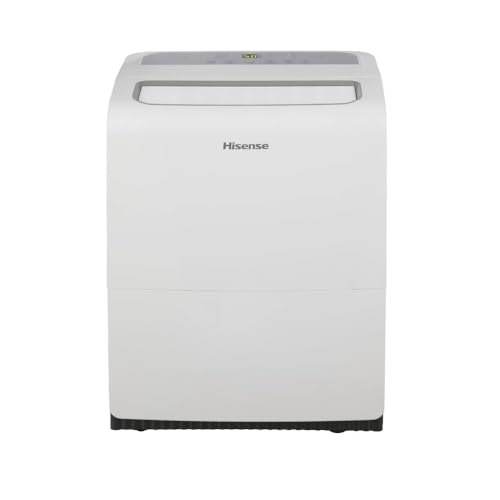

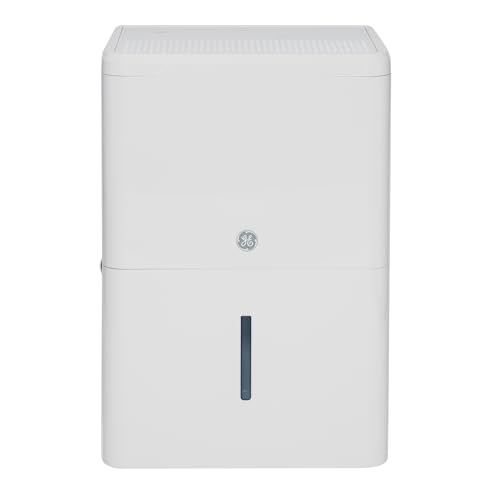


Buying Guide: What to Look For in a 50-Pint Dehumidifier
Choosing the right dehumidifier isn’t just about picking the biggest capacity. You need to balance coverage area, drainage options, and noise levels to match your specific needs. Here are the key criteria we used to evaluate the models in this review.
Coverage Area and Capacity
First, measure the square footage of the room you want to dehumidify. A 50-pint unit typically covers up to 4,500 square feet, which is ideal for large basements or open-plan living spaces. If you have a smaller area, a 35-pint model might be more energy-efficient and cost-effective.
Remember, the capacity rating is based on standard conditions, so if your space is extremely damp, you might need a higher-capacity unit. For basements with persistent moisture, check out our best dehumidifier systems for basements for more robust options.
Drainage Options: Bucket vs. Continuous
Emptying a bucket every few hours can get tedious. Look for models with a continuous drain option, which lets you attach a garden hose (not always included) for hands-free operation. Some units, like the Hisense 50-Pint Lift-Up Portable Dehumidifier with Built-In Pump, go a step further with a built-in pump that can push water up to a sink or window.
If you prefer a simpler setup, a standard gravity drain works fine when the dehumidifier is placed above a floor drain. But for maximum convenience, a pump is worth the extra investment.
Low-Temperature Operation
Basements and garages often get cooler than the rest of the house, especially in winter. Many dehumidifiers struggle to operate below 65°F, but the best models, like the Hisense 50-Pint Portable Dehumidifier, work down to 38°F. This feature ensures you can control humidity even in unheated spaces, preventing mold and mildew growth.
Without low-temp operation, the coils can ice up, rendering the unit useless. So, if you plan to use it in a cold space, this is a non-negotiable feature.
Energy Efficiency and Noise
Running a dehumidifier around the clock can impact your energy bill. Look for ENERGY STAR certified models, which are designed to remove moisture efficiently, saving you money in the long run. Also, consider the noise level, especially if you plan to use it in a bedroom or living area. Units with multiple fan speeds, like the Hisense 50-Pint Energy Star model, let you balance performance with quiet operation.
For more tips on choosing the right size, read our best dehumidifier for a room guide.
Final Thoughts
After reviewing the top models, our overall recommendation leans toward the Hisense 50-Pint Portable Dehumidifier. 4500 Sq. for its excellent balance of capacity, energy efficiency, and low-temperature operation. If you need hands-free drainage and don’t want to bend down to empty a bucket, the Hisense 50-Pint Lift-Up Portable Dehumidifier with its built-in pump is a fantastic choice. Both units deliver reliable performance, making them solid investments for any damp space.
Related Guides
- Top Dehumidifiers for Attic Spaces in 2026
- 7 Top Dehumidifiers for a 1000 Sq Ft Basement in 2026
- Midea 50 Pint Dehumidifier Review
- Best Frigidaire 22-Pint Wi-Fi Dehumidifier Reviews for 2026
- Best Dehumidifier for Large Gun Safe: Top Picks for 2026
Frequently Asked Questions
How often do I need to empty a 50-pint dehumidifier?
The frequency depends on the humidity level and the bucket size. Most 50-pint units have an 18-pint bucket, which might need emptying once or twice a day in very humid conditions. Using a continuous drain option eliminates this chore entirely.
Can a 50-pint dehumidifier cool a room?
Dehumidifiers remove moisture, which can make the air feel cooler and more comfortable, but they don’t actively cool the room like an air conditioner. However, by reducing humidity, they can help your body feel more comfortable at higher temperatures.
What is the best setting for a basement dehumidifier?
For basements, aim for a relative humidity level between 30% and 50%. Most dehumidifiers have an adjustable humidistat, so set it to around 40% for optimal comfort and mold prevention. For more details, check our best heavy duty basement dehumidifier guide.
Are Hisense dehumidifiers energy-efficient in 2026?
Yes, many Hisense models are ENERGY STAR certified, meaning they meet strict energy efficiency guidelines set by the EPA. This certification ensures they use less electricity to remove the same amount of moisture, saving you money on your utility bills.
