
If you are dealing with a musty basement or a damp living room, you already know the struggle: high humidity makes your home feel sticky, encourages mold growth, and can even damage your belongings. The right dehumidifier can restore comfort and protect your space, but timing your purchase well can save you money and ensure you get the best model for your needs. This guide covers the best time to buy a dehumidifier, what features to prioritize, and the top-rated models of 2026 from trusted brands like Waykar, Hisense, and Honeywell. We focus specifically on basement dehumidifiers, but these insights apply to any room in your home. For more on choosing the right size, check out our guide on the best large capacity dehumidifier for basement.



Buying Guide: What to Look For in a Dehumidifier
Capacity and Coverage Area
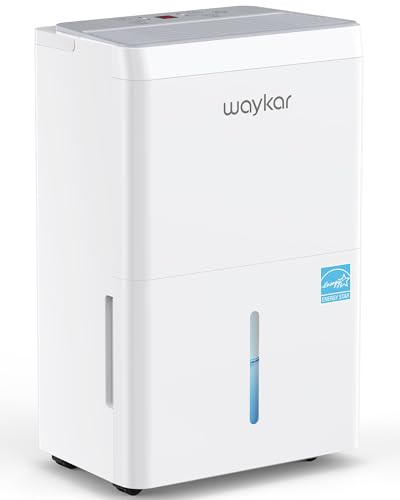
The most important factor is how much moisture the unit can remove per day, measured in pints. A 50-pint model is suitable for spaces up to 4,500 square feet, while an 80-pint unit can handle up to 5,000 square feet. For a large basement or open floor plan, a higher capacity ensures efficient drying even during peak humidity months. Models like the Waykar 80 Pints are designed for these larger spaces.
Energy Efficiency and Certification
Running a dehumidifier continuously can add to your electricity bill. Look for units that are ENERGY STAR certified, as they use significantly less energy than non-certified models. This certification is especially important if you plan to run the unit for long periods, such as in a basement. The Waykar 5000 Sq. Ft. 80 Pints, for example, meets the 2026 ENERGY STAR standards, helping keep operating costs low. For cold environments, read our guide on the best dehumidifier for cold basement.
Drainage Options and Convenience
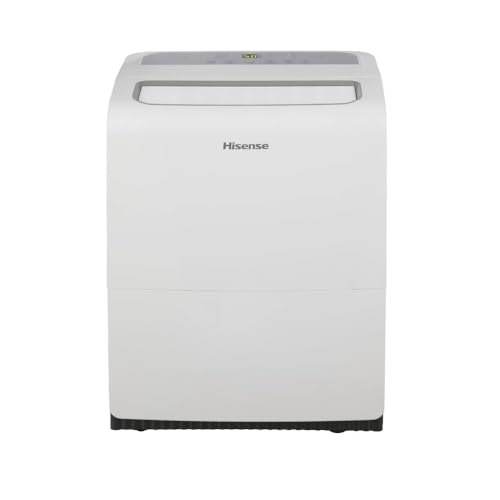
Consider how you will empty the water. Most dehumidifiers come with a removable tank, but continuous drainage via a hose is ideal for unattended operation. Some models, like the Hisense 50-Pint Lift-Up Portable Dehumidifier, feature a built-in pump that can push water up to a sink or window, making them perfect for basements without a floor drain. Also, look for easy-roll casters and a top-lift design for effortless mobility and emptying.
Noise Level and Smart Features
If the dehumidifier will be placed in a bedroom or living area, noise level matters. Many modern units operate as quietly as 40 dB, which is gentle background white noise. Smart features like built-in Wi-Fi, programmable timers, and auto-mode allow you to control humidity levels precisely. The Frigidaire 50 Pint Dehumidifier with Wi-Fi offers this convenience, while the Honeywell 32-Pint model includes a Laundry Mode for drying clothes. For smaller spaces, our best dehumidifier for bedroom guide has more options.
Final Thoughts
The best time to buy a dehumidifier is typically during late spring or early summer, when demand is high but before the peak of humidity season. However, you can find good deals year-round by watching for sales events. For a powerful, energy-efficient option that handles large basements, the Waykar 80 Pints 5000 Sq. Ft 2025 Energy Star is an excellent choice. If you prefer a quieter unit with a built-in pump for easy drainage, the Hisense 50-Pint Lift-Up Portable Dehumidifier offers outstanding convenience. Both are highly rated and built to last.
Related Guides
Frequently Asked Questions
What is the best time of year to buy a dehumidifier?
The best time to buy a dehumidifier is typically in late spring or early summer, just before the most humid months. This is when retailers stock the latest models and often offer seasonal promotions. You might also find discounts during end-of-season clearance sales in early fall.
How do I choose the right size dehumidifier for my basement?
Measure your basement’s square footage and consider the humidity level. For a damp basement up to 2,000 square feet, a 50-pint unit is usually sufficient. For larger areas up to 5,000 square feet, an 80-pint model like the Waykar 5000 Sq. Ft. is recommended. For more guidance, read our waykar 80 pints energy star dehumidifier review.
Can I use a dehumidifier in a cold basement?
Yes, but you need a model designed for low-temperature operation. Many dehumidifiers stop working below 65°F due to frost buildup on the coils. Look for units that operate down to 38°F, such as the Hisense 50-Pint Portable Dehumidifier. These models have an auto-defrost feature to maintain performance in cooler conditions.
Should I buy a dehumidifier with a built-in pump?
A built-in pump is very useful if you need to drain water upward, such as into a sink or out a window. It eliminates the need to manually empty the tank, making it ideal for basements without floor drains. Models like the Hisense 50-Pint Lift-Up Portable Dehumidifier include this feature for hands-free operation.