🔥 Black Friday Air Purifier Deals of 2026: picks worth watching →
If you wake up sneezing, deal with itchy eyes, or find yourself constantly dusting, your indoor air quality might be the culprit. The right air purifier can make a world of difference, especially if you suffer from seasonal allergies or live with pets. In this guide, we evaluate the best allergy air purifier models on the market for 2026, focusing on proven filtration technology, room coverage, and features that matter most for allergy sufferers. Whether you need a compact unit for a bedroom or a powerful machine for an open-concept living area, our curated list has you covered.
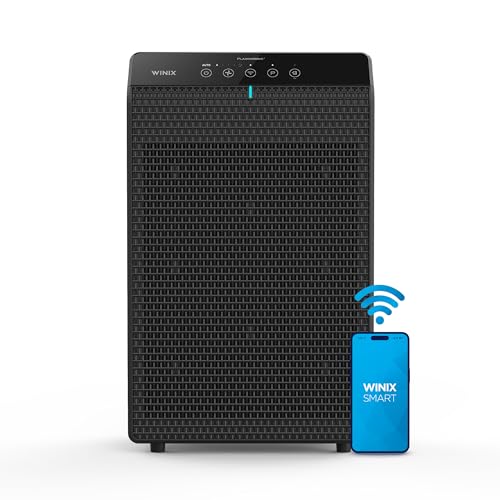
We’ve assessed top-rated units from trusted brands like Levoit, Coway, Winix, and MOOKA, each offering HEPA-grade filtration and smart features. For more insights on tackling dust specifically, check out our guide to the best air purifier for dust.




Buying Guide: What to Look for in the Best Allergy Air Purifier
Filtration System: HEPA and Beyond
The core of any effective allergy air purifier is its filtration system. Look for models with True HEPA filters, which capture particles as small as 0.3 microns with high efficiency. This includes pollen, dust mites, pet dander, and mold spores. Many top units also feature a washable pre-filter that traps larger debris, extending the life of the main filter, and an activated carbon layer to absorb odors and VOCs. The combination ensures comprehensive air cleaning for allergy relief.
Room Coverage and CADR Rating
Match the purifier’s coverage to your room size. The Clean Air Delivery Rate (CADR) indicates how quickly the unit can filter smoke, dust, and pollen. A higher CADR means faster purification. For a bedroom, a model covering around 200 square feet may suffice, while larger living spaces benefit from units rated for over 1,000 square feet. Always check the manufacturer’s recommended room size to ensure optimal performance. For more on room-specific options, explore our air purifiers for allergies subcategory.
Noise Level and Sleep Features
Allergy relief shouldn’t come at the cost of a good night’s sleep. Look for units with a dedicated Sleep Mode that operates quietly, often below 30 decibels, and dims or turns off display lights. Some models also include an auto-off timer and light sensors that automatically adjust brightness. These features are invaluable for light sleepers, children, and pets. If you have furry friends at home, our air purifiers for pets page offers additional guidance.
Smart Features and Air Quality Monitoring
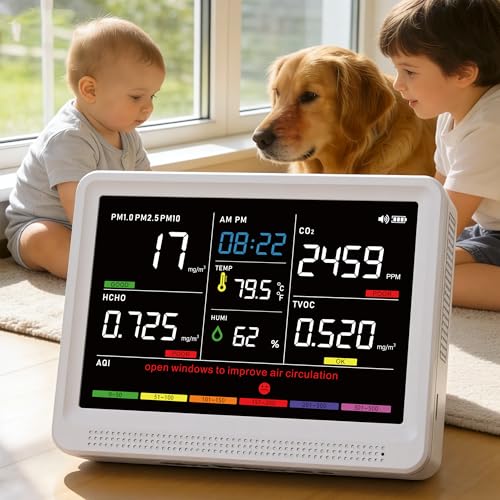
Modern allergy air purifiers often include smart sensors that detect real-time air quality and adjust fan speed automatically. Some connect to smartphone apps for remote control, scheduling, and filter life tracking. Voice control via Alexa or Google Assistant adds convenience. While not essential, these features enhance ease of use and help you maintain cleaner air with minimal effort. For budget-friendly options with smart capabilities, see our best air purifier under $200 picks.
Final Thoughts
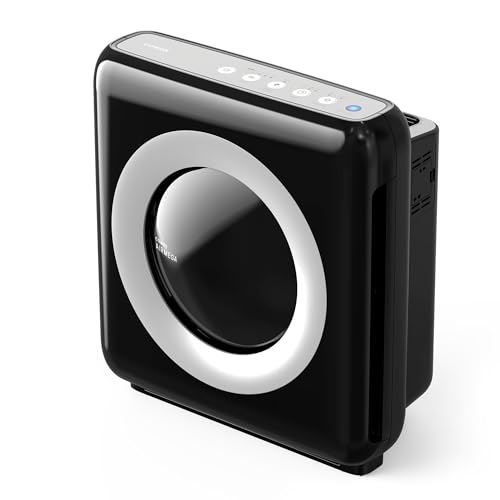
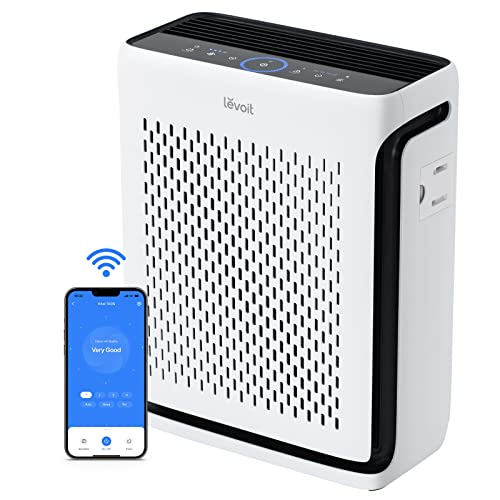
Choosing the right allergy air purifier depends on your specific needs, room size, and desired features. For a powerful, whole-room solution with proven performance, the COWAY Air Purifier for Home Up to 1,748ft² stands out with its robust four-stage filtration and auto mode. If you prefer a smart, compact unit ideal for bedrooms and pet owners, the Levoit Air Purifier for Home Pets Bedroom Dorm offers excellent value with voice control and quiet operation. Both models are highly rated and backed by trusted brands, ensuring you breathe easier this allergy season.
Related Guides
- Best HEPA Air Scrubber Reviews for 2026
- PuroAir 240 HEPA Air Purifier Review for 2026
- Shark NeverChange Air Purifier Max Review
Frequently Asked Questions
How often should I replace the filter in my allergy air purifier?
Most manufacturers recommend replacing the HEPA filter every 6 to 12 months, depending on usage and air quality. Some models have a filter replacement indicator light. For optimal performance, check your unit’s manual and consider more frequent changes if you have pets or live in a high-pollution area. Using a genuine replacement filter ensures the best fit and efficiency.
Can an air purifier help with pet allergies?
Yes, a high-quality air purifier with a True HEPA filter can capture pet dander, hair, and odors, significantly reducing allergens in your home. Look for models with a pre-filter to trap larger particles and a carbon filter to neutralize smells. For more tailored advice, visit our air purifiers for pets guide.
What size air purifier do I need for my bedroom?
For a standard bedroom (100 to 200 square feet), a compact air purifier with a CADR rating of around 100 to 150 CFM is usually sufficient. Measure your room’s square footage and check the manufacturer’s coverage recommendations. A unit that can cycle the air 4 to 5 times per hour is ideal for allergy relief.
Do air purifiers remove dust mites?
Air purifiers with HEPA filters can capture dust mite allergens (their feces and body fragments) that become airborne. However, they cannot remove dust mites living in bedding or upholstery. For comprehensive control, combine an air purifier with regular washing of bedding in hot water and using allergen-proof covers. For more on dust control, see our best air purifier for dust guide.