🔥 Black Friday Air Purifier Deals of 2026: picks worth watching →
Mold spores are everywhere, and for many households, they trigger allergies, asthma, and that musty smell that just won’t go away. If you’ve noticed black spots on your bathroom ceiling or a persistent cough in your living room, your indoor air quality might be compromised. The right air purifier can be a game-changer, capturing these microscopic invaders before they settle into your lungs.
In this guide, we’ve evaluated the best air purifier for mold spore removal, focusing on models that combine true HEPA filtration with carbon adsorption to tackle both particles and odors. Whether you need a compact unit for a bedroom or a powerhouse for an open floor plan, we’ve got you covered. For more targeted advice, check out our top picks for mold spores.





Buying Guide: What to Look For in a Mold-Fighting Air Purifier
True HEPA Filtration: The Non-Negotiable Standard
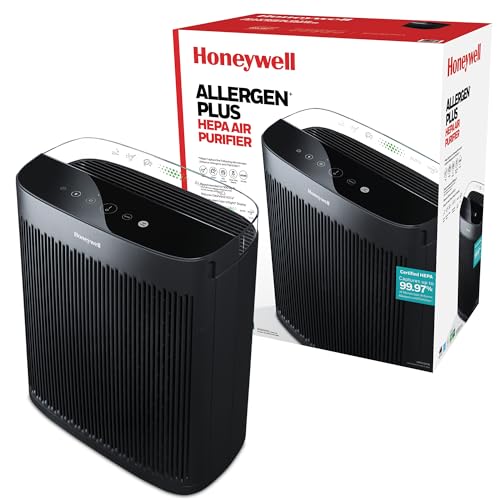
When it comes to mold spores, you need a filter that can catch particles as small as 0.3 microns. True HEPA filters are engineered to trap at least 99.97% of these microscopic irritants. Look for models that explicitly state HEPA certification, like the COWAY Airmega Mighty2 Air Purifier or the Honeywell HEPA Air Purifier for Home, which exceed basic standards.
Some brands, like Shark, go beyond with NANOSEAL technology that captures 99.98% of particles down to 0.1 microns. This extra layer of protection can make a real difference in homes with severe mold issues.
Activated Carbon: For Odors and VOCs
Mold doesn’t just release spores; it also emits volatile organic compounds (VOCs) that cause that musty smell. A filter with activated carbon or zeolite can adsorb these gases and neutralize odors. The Austin Air HealthMate Standard Air Purifier is a standout here, featuring a 4-stage filtration system with a substantial carbon bed.
If you’re dealing with smoke or chemical fumes alongside mold, prioritize models with a thicker carbon layer, like the Honeywell or Coway options.
Room Size Coverage and Air Changes Per Hour
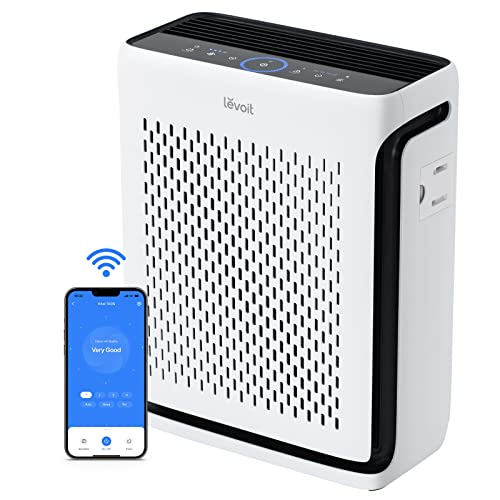
Mold spores can linger in the air, so you need a purifier that can cycle the room’s air multiple times per hour. For a large living area, consider the BLUEAIR Air Purifiers for Home Large Room up, which cleans up to 3,235 square feet in one hour. For smaller spaces, the Levoit Smart Air Purifiers for Home Large Room covers up to 2,933 square feet with a CADR of 391 CFM.
Always match the purifier’s coverage to your room size. A unit too small will struggle to keep up, while an oversized one might waste energy.
Smart Features and Maintenance
Modern purifiers come with sensors that detect pollution levels and adjust fan speed automatically. The Coway Mighty2 features a laser sensor and a digital display showing real-time air quality, while the Shark Clean Sense Max offers a “Clean Air 100%” indicator.
Consider filter replacement costs and lifespan. The Austin Air HealthMate boasts up to 5 years of filter life, while the Shark NeverChange Pro eliminates the need for frequent swaps. For budget-conscious buyers, our HEPA air purifier best buy picks highlight value options.
Final Thoughts
Choosing the best air purifier for mold spore removal ultimately depends on your space and specific needs. For a powerful, feature-rich option that handles large rooms, the COWAY Airmega Mighty2 Air Purifier is our top recommendation, with its certified HEPA filter and smart sensor. If you prefer a budget-friendly, no-fuss solution for smaller areas, the Shark NeverChange Compact Pro Air Purifier offers reliable performance without the hassle of constant filter changes. Both are excellent investments in your health and comfort.
Related Guides
- Best Blueair Filters for Clean Air in 2026
- Shark NeverChange Air Purifier Max Review
- PuroAir 240 HEPA Review
Frequently Asked Questions
How does an air purifier remove mold spores?
Air purifiers with HEPA filters physically capture mold spores as air passes through the filter. The fibers trap spores as small as 0.3 microns, preventing them from recirculating in your room. Some models also use UV-C light to neutralize mold, though HEPA is the primary defense.
Can an air purifier eliminate mold growth?
No, an air purifier cannot kill mold that has already colonized surfaces. It only removes airborne spores, which helps prevent new growth and reduces respiratory irritation. You must still clean visible mold with appropriate solutions. For ongoing prevention, a dehumidifier can also help, as mold thrives in humidity.
What is the ideal CADR rating for mold spore removal?
CADR (Clean Air Delivery Rate) measures how quickly a purifier cleans the air. For mold spores, you want a CADR of at least 200 for a medium room, but higher is better. Models like the Levoit Core 600S-P with a CADR of 391 CFM are excellent for large spaces. Check the room size coverage to ensure it matches your needs.
How often should I replace the filter in a mold-focused purifier?
Most manufacturers recommend replacing HEPA filters every 6 to 12 months, depending on usage and air quality. If you live in a mold-prone area, you may need to replace more frequently. Some models, like the Austin Air HealthMate, have filters that last up to 5 years, reducing maintenance. For small rooms, our best HEPA air purifier for small bedroom guide can help you choose a low-maintenance option.