🔥 Black Friday Air Purifier Deals of 2026: picks worth watching →
Is your basement musty, your crawl space damp, or your home feeling sticky even with the AC running? You might be weighing the whole house dehumidifier pros and cons. This guide cuts through the noise to help you decide if a whole-house unit is the right move for your home in 2026.
We have evaluated ten top models from brands like AprilAire, AEOCKY, Airzentti, and more. Whether you need a solution for a crawl space, basement, or whole home, we cover the key factors to consider before buying.



Buying Guide
Capacity and Coverage Area
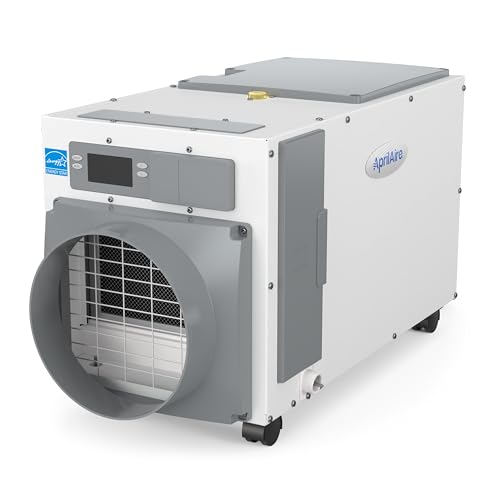
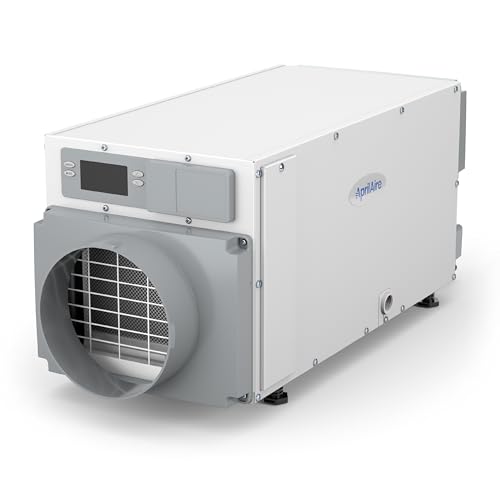
The first thing to consider is how much moisture you need to remove. Units are rated in pints per day (PPD). For a small basement or crawl space up to 2,200 square feet, a 70-pint model like the AprilAire E070 Pro 70-Pint Crawl Space may suffice. For larger homes up to 5,500 square feet, you will need a higher capacity unit, such as the AprilAire E100 Pro 100-Pint Whole-House.
Matching capacity to your space is critical. An undersized unit will run constantly and fail to control humidity. An oversized unit may cycle too often and not remove enough moisture. Check the manufacturer’s recommended square footage for each model.
Energy Efficiency and Certification
Running a dehumidifier 24/7 can impact your energy bill. Look for ENERGY STAR certification, which indicates lower energy consumption. Some models, like the AEOCKY Dehumidifier with Pump Up to 16.5ft Energy, even meet the strict “ENERGY STAR Most Efficient” standard, meaning they are among the top performers in efficiency.
Higher efficiency units save you money over time and are better for the environment. Be wary of vague claims like “Energy Star Efficient”, only the official certification guarantees verified performance.
Drainage Options and Pump Features
Most whole-house dehumidifiers are designed for continuous drainage, eliminating the need to empty a water tank. Gravity drainage works if you have a floor drain, but a built-in pump allows you to drain water upward, making installation flexible. The Airzentti 155 Pint Commercial Dehumidifier features a pump that can drain up to 16.4 feet vertically, ideal for basements without floor drains.
Pump models are more expensive but offer greater installation freedom. Consider your space: if you have a crawl space or finished basement, a pump is often worth the investment.
Durability and Build Quality
Whole-house dehumidifiers are a long-term investment. Look for corrosion-resistant coils (aluminum or copper) and robust construction. AprilAire models are built with aluminum coils and assembled in the USA, backed by a 5-year warranty. The Waykar 125 Pints Crawl Space Dehumidifier features a full-metal housing for impact and corrosion resistance.
A longer warranty indicates manufacturer confidence. Units with a 5-year warranty, like many AprilAire models, provide peace of mind. For more insights, read our guide to the best whole house dehumidifier for HVAC system.
Final Thoughts
Choosing between whole house dehumidifier pros and cons comes down to your specific needs. For premium performance and durability, the AprilAire E100 Pro 100-Pint Whole-House is a top-tier choice with its energy efficiency and smart sensing. If you need a budget-friendly, high-capacity unit with a pump for flexible drainage, the AEOCKY Dehumidifier with Pump Up to 16.5ft Energy offers excellent value and is certified as ENERGY STAR Most Efficient. Both options will effectively protect your home from excess moisture, mold, and structural damage.
Related Guides
- Top Dehumidifiers for Attic Spaces in 2026
- Frigidaire Dehumidifier Best Buy Guide for 2026
- 7 Top Dehumidifiers for a 1000 Sq Ft Basement in 2026
Frequently Asked Questions
What is the difference between a whole house dehumidifier and a portable unit?
A whole house dehumidifier is installed permanently and connects to your HVAC system or is ducted to cover multiple rooms. It removes moisture from the entire home, while portable units are limited to a single room. Whole-house models are more efficient and require less maintenance.
Do I need a dehumidifier with a pump?
A pump is beneficial if you do not have a floor drain nearby. It allows the unit to drain water upward into a sink or drain pipe, giving you more installation options. For crawl spaces and basements without drains, a pump is highly recommended.
How much does a whole house dehumidifier cost to run?
Operating costs vary by model and local electricity rates. ENERGY STAR certified units, especially those labeled “Most Efficient,” consume less power. In 2026, many high-efficiency models can save you up to $1000 annually compared to older, inefficient units. Check the energy factor (liters per kWh) for precise comparisons.
Can I install a whole house dehumidifier myself?
Some models are designed for DIY installation, especially for crawl spaces or basements. However, units that integrate with your HVAC system may require professional installation. Always follow the manufacturer’s instructions and local building codes. For more tips, check our guide to the best dehumidifier for crawlspace.