
You close your windows, dust the shelves, and vacuum the floors, yet you still wake up sneezing or feel a persistent stuffiness in your living room. It is a common frustration. Many people wonder if an air purifier can actually solve this or if it is just another gadget that collects dust. This guide breaks down the science behind air purification and evaluates three specific models to help you decide if one belongs in your home. We focus on practical, everyday use for bedrooms, living areas, and homes with pets.


Buying Guide
Filtration Efficiency and Standards
The core of any air purifier is its filter system. Look for models that use high-efficiency particulate air (HEPA) filters or HEPA-grade media. These capture fine particles like dust, pollen, pet dander, and smoke. Independent certifications, such as AHAM Verifide, confirm that a unit performs as claimed. Both Levoit models in our list carry this seal, which means their clean air delivery rate (CADR) has been independently verified. For a deeper look at top brands, see our Best Levoit Air Purifier for Every Room in 2026 guide.
Room Size and Airflow
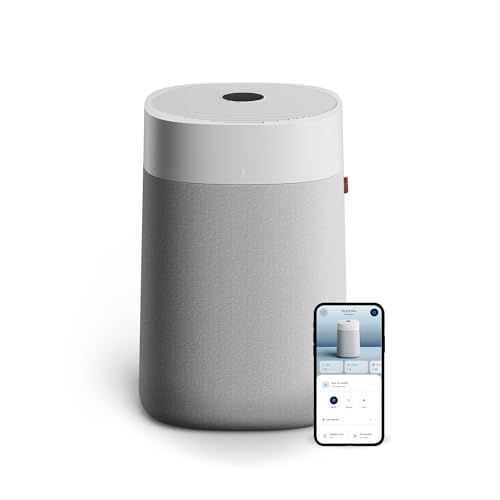
An undersized purifier will struggle to clean a large space, while an oversized one may waste energy. Match the unit’s CADR or recommended room size to your space. The MOOKA PR1, for instance, is designed for large rooms up to 2200 square feet, making it ideal for open-plan living areas. Smaller units like the Levoit Core Mini-P work best in bedrooms, dorms, or offices. Always check the square footage rating before buying.
Noise Level and Sleep Features
If you plan to use an air purifier in a bedroom, quiet operation is essential. Many models include a sleep mode that dims lights and reduces fan speed. The Levoit Core 300-P operates at a near-silent 24dB in sleep mode, while the MOOKA PR1 drops to 26dB. These low noise levels allow for undisturbed rest. Also consider whether the unit has a display that can be turned off completely, as some people are sensitive to any light while sleeping.
Maintenance and Filter Replacement
All air purifiers require periodic filter changes to maintain performance. Some models, like the MOOKA PR1, feature a washable pre-filter that extends the life of the main filter. Others have a filter replacement indicator that reminds you when it is time for a new one. Factor in the cost and availability of replacement filters. For a broader overview of air purifier options, check out our best air purifiers for home article.
Final Thoughts
After reviewing these models, it is clear that air purifiers do work when chosen correctly for your space and needs. For a compact, budget-friendly option perfect for a bedroom or dorm, the Levoit Air Purifiers for Bedroom Home Pets Dorm offers quiet operation and aromatherapy features. If you need to cover a larger area or have pets, the Air Purifiers for Home Large Room up to 2200sq.ft from MOOKA provides excellent filtration with a pet-specific mode and real-time air quality display. Both are reliable choices that can genuinely improve your indoor air quality.
Related Guides
- Best Winix Air Purifier
- The Complete Germ Guardian Air Purifier Review for 2026
- Levoit Core 300 Review
Frequently Asked Questions
Do air purifiers really remove dust and allergens?
Yes, air purifiers with HEPA filters can capture airborne particles as small as 0.3 microns, including dust, pollen, and pet dander. They help reduce allergen levels in the air, but they work best when combined with regular cleaning and dusting. For maximum effect, choose a unit sized for your room.
Can an air purifier help with smoke or odors?
Many air purifiers, especially those with activated carbon filters, can reduce smoke particles and neutralize odors from cooking, pets, or tobacco. The Levoit Core Mini-P, for example, helps make odors odorless. However, for heavy smoke, a model with a higher CADR for smoke is recommended.
How often should I replace the filter in my air purifier?
Most manufacturers recommend replacing the filter every 3 to 6 months, depending on usage and air quality. Some models have a filter replacement indicator that alerts you. Using official replacement filters ensures optimal performance. In 2026, many brands offer subscription services for filter delivery.
Are air purifiers safe to use all night?
Yes, air purifiers are safe to run continuously, including while you sleep. Many have a sleep mode that operates quietly and dims lights. Units certified by agencies like CARB and ETL meet strict safety standards. The MOOKA PR1, for instance, is CARB, ETL, DOE, and FCC certified.