
Imagine stepping into your crawl space only to be greeted by musty odors, damp insulation, and the creeping fear of mold and wood rot. High humidity in your crawl space doesn’t just stay there; it rises into your living areas, affecting air quality and your family’s health. A dedicated crawl space dehumidifier is the most effective solution to this persistent problem, and this guide will help you choose the best one for your needs.
We’ve evaluated dozens of models, focusing on moisture removal capacity, durability, drainage options, and energy efficiency. Whether you need a compact unit for a tight space or a heavy-duty commercial-grade machine, our top picks for 2026 cover a range of budgets and requirements. Let’s dive in and find the perfect dehumidifier to protect your home’s foundation and air quality.



Buying Guide: What to Look for in a Crawl Space Dehumidifier
Choosing the right dehumidifier for your crawl space involves more than just picking the highest pint capacity. You need to consider the specific conditions of your space, how you plan to install the unit, and the long-term operating costs. Here are the critical factors we evaluated to bring you our top recommendations.
Moisture Removal Capacity (Pints per Day)
The most important specification is how much moisture the unit can remove in a day, typically measured in pints under standard conditions (AHAM) and at saturation. For crawl spaces, you’ll want a unit that can handle at least 50 pints per day under AHAM conditions, but larger or particularly damp spaces may require 70, 100, or even 125 pints. Models like the ALORAIR 113 Pints Crawlspace Dehumidifier offer high capacity for large areas, while the Waykar 70 Pint Energy Star Crawl Space is a solid choice for moderate-sized spaces.
Keep in mind that the actual performance will vary based on temperature and humidity levels. A unit that is too small will run constantly and still not achieve the desired dryness, while an oversized unit may cycle on and off too frequently, wasting energy.
Drainage Options: Pump vs. Gravity
Crawl spaces rarely have a floor drain conveniently located. That’s why most crawl space dehumidifiers come with a built-in condensate pump that can push water upward and over long distances, allowing you to discharge it through a window, into a sink, or to an exterior drain. Gravity drainage, which relies on a downhill slope, is simpler but often impractical in a crawl space.
We highly recommend choosing a model with a pump for maximum installation flexibility. The ALORAIR 70 Pints Crawl Space/Commercial and the 125Pints Crawl Space Dehumidifier with Pump both offer powerful pumps that can lift water up to 19.6 feet, making them ideal for challenging installations.
Durability and Build Quality
Crawl spaces are harsh environments with high humidity, potential for dust, and temperature fluctuations. A dehumidifier with a plastic housing may crack or degrade over time. Look for models with a rugged metal casing, like those from ALORAIR and Waykar, which are designed to withstand the rigors of commercial and residential use. A metal body also helps protect internal components from impacts and corrosion.
Additionally, check for features like automatic defrost, which is crucial if your crawl space gets cold, and a washable or replaceable filter to keep the internal components clean and maintain efficiency. The ALORAIR 120 Pints Energy Star Crawlspace is a prime example of a unit built for demanding conditions, with a cETL-listed metal casing and an advanced auto-defrost system.
Energy Efficiency and Smart Features
Running a dehumidifier 24/7 can add up on your electricity bill. Look for Energy Star certified models, which use significantly less energy than non-certified units. The Waykar 70 Pint Energy Star Crawl Space is an excellent example, saving up to 45% more energy than standard models.
Smart features like Wi-Fi connectivity and remote control can also enhance convenience. The ALORAIR Smart Wi-Fi 70 Pints Crawlspace allows you to monitor and adjust humidity levels from your smartphone, so you can keep an eye on your crawl space even when you’re away. For more on maintaining healthy indoor air, see our guide on best indoor air quality monitors for mold.
Final Thoughts
Selecting the best dehumidifier for your crawl space is a critical investment in your home’s structural integrity and your family’s health. For most homeowners, the Waykar 70 Pint Energy Star Crawl Space offers the perfect balance of performance, energy efficiency, and smart features, making it our top overall pick. If you have a larger crawl space or need maximum moisture removal, the ALORAIR 113 Pints Crawlspace Dehumidifier is a powerhouse that won’t let you down. Whichever you choose, you’ll be taking a significant step toward a drier, healthier home.
Related Guides
Frequently Asked Questions
How many pints do I need for my crawl space?
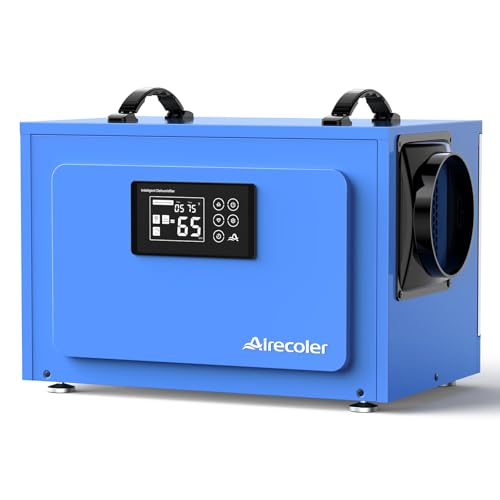
As a general rule, a crawl space up to 1,000 square feet typically needs a 50-70 pint dehumidifier (per AHAM). For larger spaces or very damp conditions, you’ll want a 100+ pint model. Consider the Airecoler 125 Pints Commercial Dehumidifier for expansive areas.
Should I get a dehumidifier with a pump?
Yes, absolutely. A built-in pump allows you to drain water vertically and over long distances, which is essential in most crawl spaces where gravity drainage isn’t possible. Without a pump, you’d need to place the unit near a floor drain or manually empty a bucket, which is impractical.
Can I use a regular household dehumidifier in my crawl space?
While you can, it’s not recommended. Regular dehumidifiers are not built to withstand the harsh conditions of a crawl space, such as low temperatures and high humidity. They may freeze up, overheat, or have plastic casings that crack. Crawl space dehumidifiers like the ALORAIR 120 Pints Energy Star Crawlspace are specifically engineered with auto-defrost and rugged metal construction for this environment.
How often should I run my crawl space dehumidifier?
Ideally, you should run it continuously to maintain a relative humidity level between 30% and 50%. Most modern units have a humidistat that automatically turns the unit on and off to maintain your set level, so you can set it and forget it. For more on managing indoor humidity, check out our best rated basement dehumidifiers guide.