

If your basement stays cool and damp during winter, you know the struggle: many dehumidifiers shut down or frost over when temperatures drop below 65°F. You need a unit built to handle cold conditions while still pulling moisture effectively. In this guide, we review the best basement dehumidifier for low temperatures in 2026, focusing on models that combine advanced defrost technology, reliable compressors, and smart humidity control. Whether you have a finished basement or a raw crawl space, these picks keep your space dry without constant babysitting. For more background on choosing the right unit, check out our basement dehumidifier category.






Buying Guide: What to Look for in a Low-Temperature Basement Dehumidifier
Low-Temperature Performance and Auto-Defrost
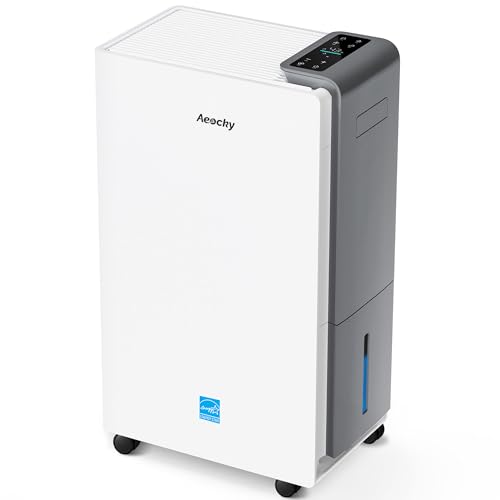
Standard compressor dehumidifiers struggle below 65°F because moisture condenses and freezes on the coils. The best cold-weather models include an auto-defrost system that cycles off the compressor to melt ice, then resumes drying. Look for units that operate down to at least 41°F (5°C) or lower. The Waykar 80 Pints and AEOCKY 5500 Sq.Ft models both feature intelligent defrost sensors that keep them running in chilly basements.
Coverage and Capacity
Basements vary in size, so match the unit to your square footage. For large spaces up to 5,500 sq. ft., models like the KNKA Energy Star and yaufey 80 Pint remove up to 80 pints per day. Smaller basements or crawl spaces may do fine with the 21-Pint Aiusevo unit. Remember that colder air holds less moisture, so a slightly smaller capacity can still work well if the temperature is low. Our best dehumidifier for home use guide offers more sizing tips.
Drainage Options for Unattended Operation
In a cold basement, you don’t want to empty a bucket every few hours. Prioritize units with continuous drainage via a hose or built-in pump. The avylo Dehumidifier with Pump includes a 15-ft lift hose, ideal for draining into a sink or floor drain. Others, like the Waykar and KNKA, offer gravity drain hoses. For basements without floor drains, a pump model saves hassle. Read our best basement dehumidifier with pump for more details.
Energy Efficiency and Certification
Running a dehumidifier 24/7 adds to your electric bill, especially in colder months. Choose an ENERGY STAR certified model to keep costs down. The AEOCKY RHEA-001 is one of the rare units with ENERGY STAR Most Efficient 2025 certification, meaning it uses up to 50% less energy than non-certified models. The Ludatido 80-pint and Waykar also carry ENERGY STAR ratings. For more energy-saving options, see our hOmeLabs dehumidifier review.
Final Thoughts
After evaluating performance, defrost capabilities, and real-world feedback, our top recommendation for cold basements is the AEOCKY 5500 Sq.Ft Energy Star Most Efficient 2025 for its unmatched low-temperature operation and energy savings. If you prefer a more budget-friendly option that still handles chilly conditions well, the Waykar 80 Pints 5000 Sq.Ft 2025 Energy Star delivers reliable dehumidification with smart auto-defrost and quiet operation. Both units will keep your basement dry and comfortable all year round.
Related Guides
- Best Dehumidifier for Basement in 2026
- Best Dehumidifier for Basement Apartment: Top Picks for Moisture Control
Frequently Asked Questions
Do dehumidifiers work in cold basements?
Yes, but only if they have an auto-defrost feature. Standard dehumidifiers freeze up below 65°F, but cold-weather models like the AEOCKY and Waykar can operate down to 41°F or lower by periodically melting ice buildup. Check the product specs for minimum operating temperature before buying.
What temperature is too low for a dehumidifier?
Most compressor dehumidifiers stop working effectively below 60°F. However, some high-end models with advanced defrost sensors can function in temperatures as low as 41°F. For unheated basements that dip into the 30s, consider a desiccant dehumidifier instead, though they are less common for large spaces. Our dehumidifier parent category has more information on different types.
How does auto-defrost help in low temperatures?
Auto-defrost detects ice formation on the evaporator coils and temporarily stops the compressor while running the fan. This melts the ice, then the unit resumes dehumidifying. Without this feature, the ice layer blocks airflow and reduces moisture removal. All the models in our list above include some form of auto-defrost.
Can I use a dehumidifier in an unheated basement during winter?
Yes, but choose a model rated for low temperatures. Units like the AEOCKY and Waykar are designed to run in cold basements. Also ensure you have a continuous drain setup because the water tank may freeze if left in an unheated space. For more tips, see our midea cube dehumidifier review which discusses winter use.

