
Imagine waking up to the smell of smoke drifting into your bedroom, even with all windows sealed. Wildfire seasons have become longer and more intense, forcing millions to seek relief indoors. A high-performance air purifier can drastically reduce hazardous smoke particles, but not all units handle the challenge equally. This guide covers the three best air purifiers for wildfire smoke we have evaluated for 2026, focusing on real-world effectiveness, filtration technology, and ease of use. For a deeper look at smoke-specific options, see our dedicated guide to best air purifiers for smoke.


Buying Guide: What to Look For in a Wildfire Smoke Air Purifier
Filtration Technology: True HEPA vs. Advanced Alternatives
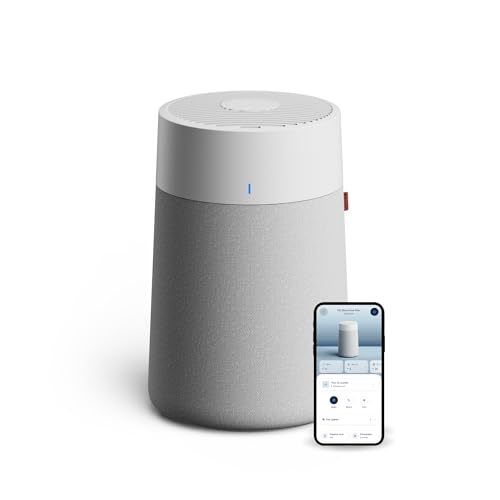
For wildfire smoke, you need a filter that captures ultrafine particles down to 0.3 microns or smaller. True HEPA filters are the gold standard, certified to trap 99.97% of airborne particles. Some brands, like BLUEAIR, use a proprietary HEPASilent technology that combines electrostatic and mechanical filtration, achieving similar efficiency with lower noise and energy use. Always choose a unit with verified particulate removal, look for AHAM certification or independent validation. To learn more about HEPA performance, check our best HEPA air purifier guide.
Room Coverage and CADR for Smoke
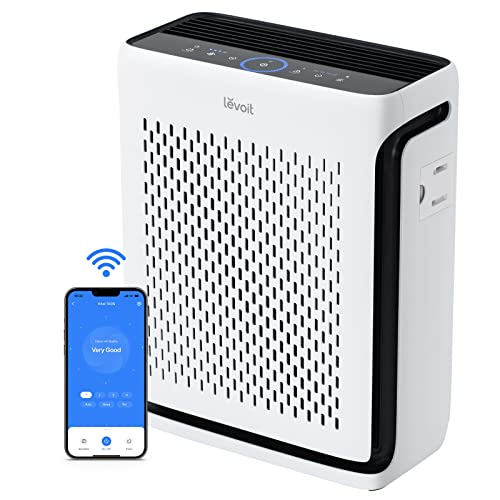
The Clean Air Delivery Rate (CADR) for smoke tells you how fast the purifier can remove smoke particles in a given room. A higher CADR means quicker cleaning. Measure your room size and look for a unit that can cycle the air at least four times per hour. The LEVOIT Vital 200S-P, for instance, boasts a smoke CADR of 250 CFM, making it suitable for large living areas. If you have an open‑concept home, you may need a unit covering up to 1,875 sq ft. For more on sizing, read our best air purifier for large rooms.
Smart Features and Real-Time Monitoring
During a wildfire event, air quality can change by the hour. An air purifier with a built-in PM2.5 sensor and auto mode adjusts fan speed automatically to maintain safe levels. Models like the BLUEAIR 511i Max and the Clorox Medium Room Air Purifier offer app control and color‑coded feedback, so you can monitor air quality from anywhere. These smart features take the guesswork out of operation, especially when you are away from home. For a brand comparison that includes smart capabilities, see our Levoit vs Winix showdown.
Noise Levels and Design for Continuous Operation
Smoke emergencies often require running the purifier 24/7. A quiet unit is essential for bedrooms or shared spaces. The BLUEAIR 511i Max operates as low as 19 dB, similar to a whisper, while the Clorox model stays under 30 dB on its lowest setting. Also consider design: a compact footprint with 360° air intake works well in small rooms, whereas larger units with side intakes may be better for central placement. Choose a purifier that fits your daily life so you never hesitate to run it.
Final Thoughts
After evaluating the top contenders, our top recommendation for smaller spaces and quiet, smart operation is the BLUEAIR Air Purifiers for Home Bedroom Dorm up. For larger open areas or households that need maximum smoke particle removal, the LEVOIT Smart Air Purifier for Home Large Room delivers powerful verified performance and excellent coverage. Both have been independently assessed for effectiveness against wildfire smoke, and either will dramatically improve your indoor air quality during the worst episodes.
Frequently Asked Questions
How effective are air purifiers for wildfire smoke?
Highly effective when equipped with True HEPA or equivalent filtration. These units can capture 99.97% of smoke particles, significantly reducing indoor PM2.5 levels. For best results, choose a purifier with a high smoke CADR and run it continuously during smoke events.
What size air purifier do I need for wildfire smoke?
Measure your room’s square footage, then select a unit that can clean that space at least four times per hour. For a 300 sq ft room, look for a smoke CADR around 200 CFM. Larger open areas may require a purifier rated for 1,500 sq ft or more. Refer to our air purifiers for smoke category page for room‑specific recommendations.
How often should I replace the filter in a smoke air purifier?
Under heavy smoke conditions, filters may need replacement every three to six months. Most units include a filter life indicator. The Clorox model, for example, signals replacement after about 4,380 hours (roughly six to twelve months under normal use). Always use genuine replacement filters to maintain performance.
Can air purifiers remove all smoke particles?
No air purifier can remove 100% of particles, but high‑quality models can reduce levels by 90 to 99% in a properly sealed room. To maximize effectiveness, seal windows and doors, and run the purifier on a high setting during peak smoke hours. Combining an air purifier with an HVAC upgrade offers additional protection.