🔥 Black Friday Air Purifier Deals of 2026: picks worth watching →
If you live in a dusty house, you know the struggle of constantly wiping surfaces and sneezing from airborne particles. Dust can come from many sources: outdoor pollen, pet dander, carpet fibers, or even construction nearby. The best air purifier for dusty house in 2026 can make a dramatic difference by capturing those tiny particles before they settle on your furniture or irritate your lungs. In this guide, we review seven top-rated air purifiers from trusted brands like Coway, Honeywell, and Levoit to help you choose the right one for your home.
Whether you need a unit for a large living room or a compact bedroom, our picks cover a range of room sizes and filtration technologies. For more insights, check out our guide on best air purifier for mold spore removal if mold is also a concern.




Buying Guide
Filtration Technology
The core of any air purifier is its filter system. For dust, you want a HEPA filter that captures 99.97% of particles as small as 0.3 microns. Many models also include a pre-filter to catch larger dust particles, extending the life of the main HEPA filter. Some units, like the Austin Air HealthMate, add activated carbon and zeolite to absorb odors and VOCs, which can be beneficial if your dust carries chemical residues.
For a deeper look at filtration, see our article on best HEPA and carbon air purifier picks.
Room Size Coverage
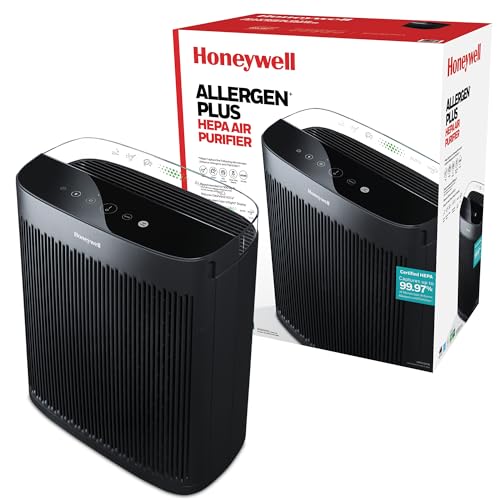
Matching the air purifier to your room size is crucial for effective dust removal. Check the Clean Air Delivery Rate (CADR) for dust; higher numbers mean faster cleaning. For a dusty house, consider a unit that can cycle the air at least four times per hour. Large models like the Honeywell HEPA Air Purifier cover up to 2,423 square feet, while smaller units like the Shark NeverChange Compact Pro are ideal for bedrooms.
For more on sizing, visit our HEPA air purifiers category page.
Noise Level and Energy Efficiency
Since you may run the purifier continuously, quiet operation and low energy use matter. Many modern units have sleep modes that drop to whisper-quiet levels (around 19 dB) and automatically dim lights. The COWAY Airmega Mighty2, for instance, uses as low as 19 dB in sleep mode and consumes only 56W at max, making it efficient for around-the-clock use.
Check our top HEPA air purifier best buy picks for more budget-friendly options.
Smart Features and Maintenance
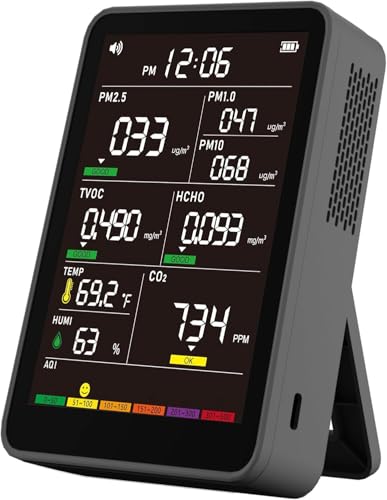
Auto mode, air quality sensors, and filter life indicators simplify maintenance. Smart purifiers like the Levoit Core 600S-P adjust fan speed based on real-time air quality, ensuring efficient dust capture. Look for washable pre-filters to reduce replacement costs. The Austin Air HealthMate boasts a filter life of up to five years, minimizing hassle.
For smaller spaces, see our best HEPA air purifier for small bedroom guide.
Final Thoughts
After reviewing these seven models, our top recommendation for most dusty homes is the COWAY Airmega Mighty2 Air Purifier, which combines excellent filtration with smart features and quiet operation, making it a versatile choice for large rooms. For those on a tighter budget or needing a compact unit for a smaller space, the Shark NeverChange Compact Pro Air Purifier offers reliable dust capture with minimal maintenance, and its two-pack value covers multiple rooms effectively.
Related Guides
- Best Blueair Filters for Clean Air in 2026
- Shark NeverChange Air Purifier Max Review
- PuroAir 240 HEPA Review
Frequently Asked Questions
What size air purifier do I need for a dusty house?
Choose a unit with a CADR rating for dust that matches your room size. For a 300-square-foot room, look for a CADR of at least 200. For larger open areas, consider a model that covers up to 1,500 square feet or more, like the Honeywell HEPA Air Purifier.
How often should I replace the filter in a dust air purifier?
Most HEPA filters need replacement every 6 to 12 months, depending on usage and dust levels. Some models, like the Austin Air HealthMate, can last up to five years. Check the manufacturer’s guidelines and use filter life indicators for accurate timing.
Can an air purifier remove all dust from my home?
While air purifiers capture airborne dust effectively, they cannot remove settled dust from surfaces. Combine your purifier with regular dusting and vacuuming for best results. For more tips, explore our Air Purifiers category.
Are smart air purifiers worth it for dust control?
Yes, smart purifiers with auto mode and air quality sensors automatically adjust fan speed to maintain clean air, which can be more efficient for dusty environments. Models like the Levoit Core 600S-P offer app control for convenience.