

🔥 Black Friday Humidifier Deals 2026: picks worth watching →
If you are tired of dry winter air that leaves your skin cracked and your sinuses irritated, a whole-house humidifier may be the solution you need. The AprilAire 500 is one of the most popular models on the market, and in this review, we break down its features, performance, and how it stacks up against other AprilAire options. Whether you have a home up to 3,600 square feet or need something more powerful, our guide will help you make an informed choice. For a broader look at the category, check out our best whole house humidifier for furnace guide.


Buying Guide
Coverage Area and Capacity
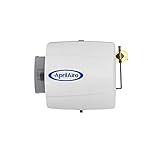
One of the first factors to consider is how large your home is. The AprilAire 500 is designed for homes up to 3,600 square feet, making it a great fit for average-sized houses. If you have a larger space, the AprilAire 700M can handle up to 5,300 square feet. Matching the humidifier to your square footage ensures even moisture distribution and prevents overworking the unit.
Control Type: Manual vs. Automatic
AprilAire offers both manual and automatic control options. The AprilAire 500 (automatic) adjusts humidity levels based on outdoor temperature, so you set it and forget it. Models like the AprilAire 500M (manual) require you to adjust the dial seasonally. If you prefer low-maintenance operation, an automatic model is ideal. For more on humidifier types, visit our humidifiers category page.
Installation and Compatibility
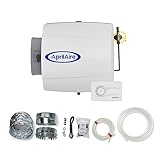
All AprilAire whole-house humidifiers are designed to be installed on your furnace’s supply or return plenum. They require a water line connection and a drain. Some models, like the AprilAire 500M 12-gal. Whole-House Small Bypass, come with an installation kit, making the process easier. Before buying, verify your furnace type and available space. For large room options, see our large room humidifiers subcategory.
Water Usage and Efficiency
Evaporative humidifiers like the AprilAire 500 use water efficiently by only evaporating what the air needs. The bypass design recirculates some water, reducing waste. If you are concerned about water consumption, look for models with a high gallons per day (GPD) rating relative to your home size. The AprilAire 700M, for example, delivers up to 18 GPD, ideal for very dry climates.
Final Thoughts
After evaluating the lineup, our top recommendation for most homeowners is the AprilAire 500 Whole-House Humidifier for its automatic control and reliable performance in homes up to 3,600 square feet. For those with larger spaces or who want maximum output, the AprilAire 700M Whole-House Fan Powered Humidifier offers impressive capacity and fan-assisted evaporation. Both models deliver consistent comfort, easy maintenance, and the trusted quality of AprilAire. Whichever you choose, you will enjoy healthier air and fewer static shocks all season long.
Related Guides
Frequently Asked Questions
How does the AprilAire 500 compare to the 600M?
The AprilAire 500 is designed for homes up to 3,600 square feet, while the 600M covers up to 5,000 square feet. The 600M also has a higher output and is better for larger homes or very dry climates. Both use evaporative technology and are compatible with most furnaces.
Can I install the AprilAire 500 myself?
Yes, many DIYers install the AprilAire 500 with basic tools and the included manual. However, if you are not comfortable with plumbing or electrical work, we recommend hiring a professional HVAC technician. Proper installation ensures optimal performance and prevents water damage.
How often do I need to replace the water panel?
AprilAire recommends replacing the water panel at the start of each heating season, or every 6 to 12 months depending on water quality and usage. A clean panel ensures efficient evaporation and prevents mineral buildup. Using a high-quality panel extends the life of your humidifier.
Will the AprilAire 500 work with my HVAC system?
The AprilAire 500 is compatible with most forced-air furnaces, including gas, oil, and electric systems. It requires a 24V AC power source and a water line. Check your furnace’s specifications and available space before purchasing. For more details, visit our air guides section for installation tips.


