🔥 Black Friday Air Purifier Deals of 2026: picks worth watching →
Living with asthma means being constantly aware of the air you breathe. Dust, pollen, pet dander, and smoke can trigger symptoms in an instant, turning your home into a minefield. You need a reliable air purifier that can remove these irritants and give you peace of mind. In this guide, we’ve evaluated the best air purifiers for asthma, focusing on filtration power, coverage, and smart features that make a real difference.





Buying Guide: How to Choose the Right Air Purifier for Asthma
Selecting an air purifier for asthma isn’t just about picking a popular model. You need to consider several critical factors to ensure it effectively manages your triggers. Here’s what we focused on during our evaluation.
Filtration Efficiency: HEPA and Beyond
For asthma, a true HEPA filter is non-negotiable. It captures 99.97% of particles as small as 0.3 microns, including common allergens like dust mites and pollen. However, some models, like the Shark Clean Sense Air Purifier Max, go a step further with NanoSeal technology that exceeds HEPA standards, trapping even more micropollutants. This extra layer can be a game-changer for sensitive individuals.
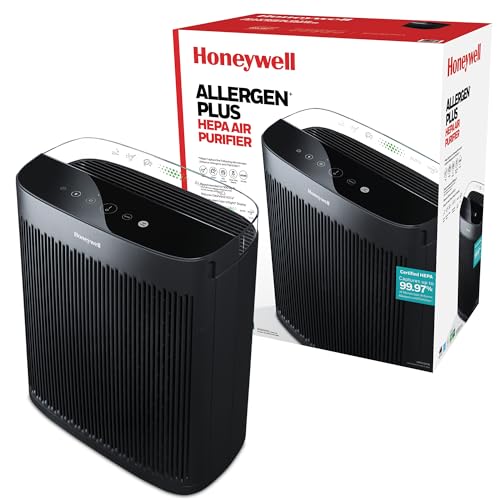
Also, consider a purifier with a pre-filter or carbon layer. The Honeywell HEPA Air Purifier for Home uses a carbon pre-filter to reduce odors and VOCs, which can also irritate airways. The Austin Air HealthMate Standard Air Purifier takes it further with activated carbon and zeolite, effectively removing gases and chemicals, a boon for those with chemical sensitivities.
Room Size and CADR
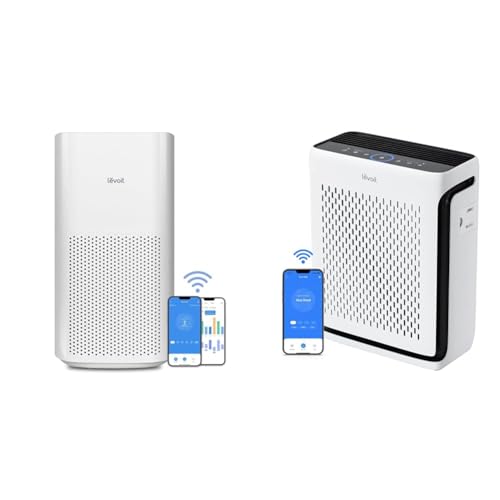
The Clean Air Delivery Rate (CADR) tells you how quickly a purifier cleans a specific room size. For asthma, you want a purifier that can cycle the air at least four times per hour. The Levoit Smart Air Purifiers for Home Large Room boasts a CADR of 391 CFM, purifying spaces up to 2,933 sq ft in one hour. If you need a unit for a smaller bedroom, the LEVOIT Air Purifiers for Home Large and Bedroom covers up to 1,110 sq ft with a quieter operation, ideal for nighttime use.
Don’t just look at the maximum square footage; think about your actual room size. A purifier that is too small won’t be effective, while one that’s oversized may waste energy. Always match the purifier’s coverage to your room’s dimensions for optimal performance. If you’re unsure about your room’s needs, our guide on top HEPA air purifiers for dust mites offers additional insights into sizing.
Smart Features and Auto Mode
Living with asthma means your air quality can change rapidly. Smart purifiers with air quality sensors and auto mode adjust fan speed automatically to respond to pollutants. The Shark BreatheClear Smart Air Purifier scans the air 3,600 times per hour, detecting particles, odors, and VOCs, then reacts instantly. This proactive approach ensures your air stays clean without you having to fiddle with settings.
App integration and voice control add convenience. The Levoit Core 600S-P works with the VeSync app and Alexa, allowing you to monitor air quality and adjust settings from your phone. For those who want a set-and-forget solution, auto mode is a must-have feature.
Filter Replacement and Maintenance
Regular filter changes are essential for maintaining performance, but they can add up. Some models, like the Shark NeverChange Air Purifier Max, are designed to last up to 5 years without needing a new filter, saving you money and hassle. Others, like the Austin Air HealthMate, boast a 5-year filter life as well, making them low-maintenance options.
Consider the cost and ease of replacing filters. Some purifiers have indicator lights that remind you when it’s time for a change. Also, check if the pre-filter is washable, as this can extend the life of the main HEPA filter. For more tips on maintaining your air quality, check our air guides.
Final Thoughts
Choosing the right air purifier can significantly improve your quality of life with asthma. For a powerful, smart option that covers large spaces, the Levoit Smart Air Purifiers for Home Large Room is our top pick, offering excellent filtration and app control. If you prefer a long-lasting filter and superior chemical removal, the Austin Air HealthMate Standard Air Purifier is a solid investment for comprehensive asthma relief.
Related Guides
Frequently Asked Questions
What size air purifier do I need for asthma?
For asthma, you need a purifier that can cycle the air in your room at least four times per hour. Measure your room’s square footage and check the purifier’s CADR rating to ensure it matches. For example, a 300 sq ft room would benefit from a purifier with a CADR of at least 200 CFM.
How often should I replace the filter in my air purifier?
It depends on the model and usage. Most HEPA filters need replacement every 6 to 12 months, but some models like the Shark NeverChange Air Purifier Max can last up to 5 years. Always check the manufacturer’s guidelines and replace the filter when the indicator light comes on, or at least once a year for optimal performance.
Can an air purifier help with asthma symptoms?
Yes, air purifiers with HEPA filters can significantly reduce airborne allergens like dust, pollen, and pet dander, which are common asthma triggers. By keeping these particles out of the air, you may experience fewer asthma flare-ups. For more on allergy relief, see our air purifiers for allergies page.
Are smart air purifiers worth it for asthma?
Absolutely. Smart air purifiers with air quality sensors and auto mode can respond to changes in air quality instantly, ensuring your environment is always clean. They also offer convenience through app control and voice commands, making it easier to manage your asthma triggers throughout the day.