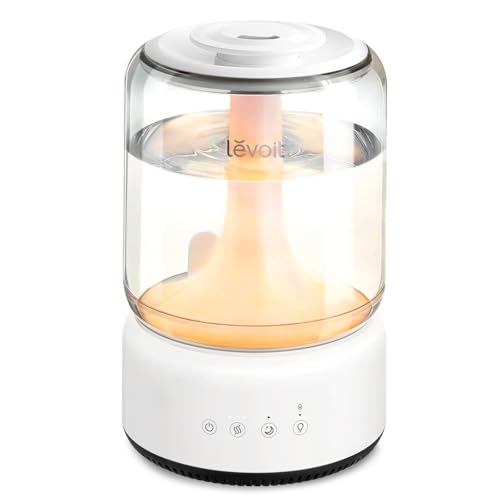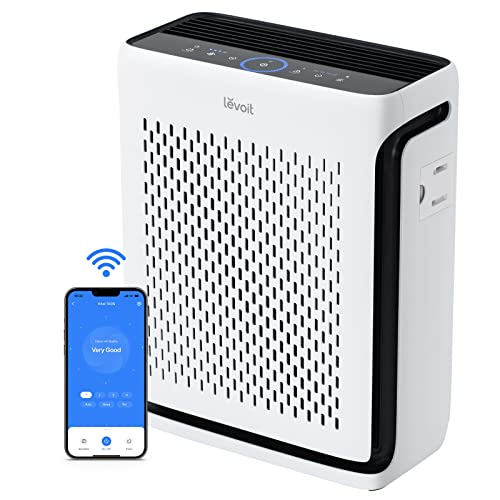

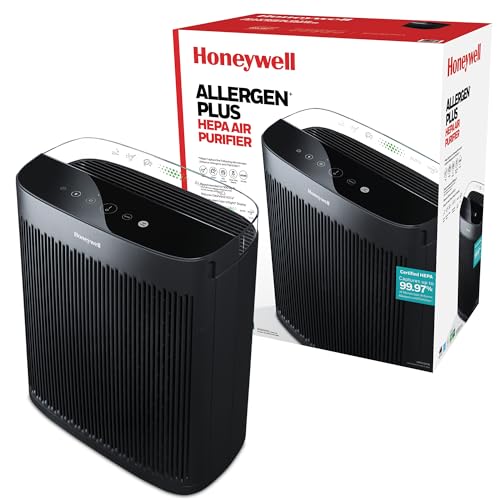
Living in an apartment often means dealing with limited space, shared walls, and air quality challenges from neighbors, traffic, or pets. You need an air purifier that fits your square footage, operates quietly, and effectively removes allergens, odors, and smoke without being an eyesore. This guide reviews seven top-rated models for apartments in 2026, from powerful large-room options to compact units ideal for bedrooms. We evaluate each on performance, noise, filtration, and smart features to help you find the perfect match for your home. For more options, explore our full Air Purifiers category.


Buying Guide
Room Size and Coverage
Apartment floor plans vary widely, from studio units to multi-room layouts. Choose a purifier with a Clean Air Delivery Rate (CADR) that matches your room size. For a standard bedroom, a CADR of 100 to 200 CFM is often sufficient, while open-concept living areas may need 300+ CFM. Many models we review offer coverage for rooms up to 500 to over 1,000 square feet, giving you flexibility. For more guidance, see our HEPA Air Purifiers page.
Filtration Type
HEPA filtration is the gold standard for capturing 99.97% of particles as small as 0.3 microns, including dust, pollen, and pet dander. For apartments, a combined HEPA and activated carbon filter is ideal, as it also reduces odors from cooking, smoke, or pets. Some models, like those from Shark, exceed HEPA standards with advanced media. If allergies are a concern, check out our Air Purifiers for Allergies page.
Noise Level
In an apartment, noise matters. A loud purifier can disrupt sleep, work, or relaxation. Look for models with a sleep mode or low fan speed that operates below 30 dB. Many top picks, including the Levoit and Shark units, are praised for quiet operation. For a deeper look at silent performers, visit our quietest air purifier for large rooms guide.
Smart Features and Convenience
Smart features like auto mode, air quality sensors, and Wi-Fi connectivity add convenience. Auto mode adjusts fan speed based on real-time particle levels, while app control lets you monitor and schedule from anywhere. These features are especially useful in apartments where you want to set and forget. For pet owners, see our Air Purifiers for Pets page for more tailored advice.
Final Thoughts
Choosing the best air purifier for your apartment ultimately depends on your space, noise tolerance, and specific air quality concerns. For large, open-concept apartments, the Levoit Smart Air Purifiers for Home Large Room offers powerful coverage and smart controls. If you need a quieter, more compact solution for a bedroom or small studio, the Shark BreatheClear Smart Air Purifier, HP162, Dove delivers excellent filtration without the noise. Both models provide reliable performance and modern features to keep your apartment air fresh.
Related Guides
- Best Blueair Filters for Clean Air in 2026
- Shark NeverChange Air Purifier Max Review
- PuroAir 240 HEPA Review
Frequently Asked Questions
How often should I replace the filter in my apartment air purifier? Most manufacturers recommend replacing HEPA filters every 6 to 12 months, depending on usage and air quality. Some models, like the Shark NeverChange, can last up to 5 years without replacement. Check your unit’s filter life indicator for guidance in 2026.
Can an air purifier help with pet odors in an apartment? Yes, models with activated carbon filters are effective at reducing pet odors, smoke, and cooking smells. The Austin Air HealthMate and Levoit Core 600S-P both include carbon layers for odor control. For more tips, see our Air Purifiers for Pets page.
What is the best placement for an air purifier in a small apartment? Place the purifier in the room where you spend the most time, such as the bedroom or living area. Keep it at least 6 inches from walls and furniture for optimal airflow. For whole-apartment coverage, consider a model with a high CADR that can handle multiple rooms.
Are smart air purifiers worth it for apartments? Smart features like auto mode and app control add convenience, especially if you want to monitor air quality remotely or set schedules. They can also save energy by adjusting fan speed automatically. For many apartment dwellers, the extra cost is justified by the ease of use.