
You open your gun safe expecting pristine steel, but instead find a faint haze of moisture on your favorite rifle. That humidity doesn’t just cause surface rust; it can compromise firing mechanisms, damage optics, and ruin ammunition. Whether you own a single pistol safe or a full vault, controlling moisture is essential to preserving your investment. This guide covers the best dehumidifier for a gun safe in 2026, from plug-in rods to rechargeable canisters, so you can choose the right solution for your space.
We’ve evaluated ten top products from brands like Lockdown, Liberty Safe, Afloia, and MAXSafes to bring you a clear, practical comparison. If you’re also managing humidity in larger spaces, our guide to the best dehumidifier for a 1000 sq ft basement covers whole-home options.





Buying Guide
Type of Dehumidifier: Passive vs. Active
The first decision is between passive and active dehumidifiers. Passive models use silica gel beads to absorb moisture without electricity. They are silent, portable, and ideal for small safes or spaces without an outlet. However, they need periodic recharging in an oven or on a heating base.
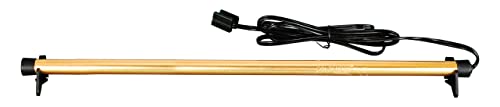
Active dehumidifiers, like electric rods or fan-driven heaters, plug into a wall outlet and continuously warm the air inside your safe. This raises the internal temperature slightly above the dew point, preventing condensation. They require no maintenance beyond installation and work well for larger safes. For more on the science of moisture control, see our guide on whether an air purifier is worth it.
Size and Coverage Capacity
Measure your safe’s interior volume in cubic feet before buying. Small pistol safes may need only a compact canister or rod, while full-size gun cabinets require more powerful units. Most electric rods cover 100 to 300 cubic feet, while silica gel canisters typically handle 15 to 60 cubic feet. Over-sizing is fine; under-sizing invites rust.
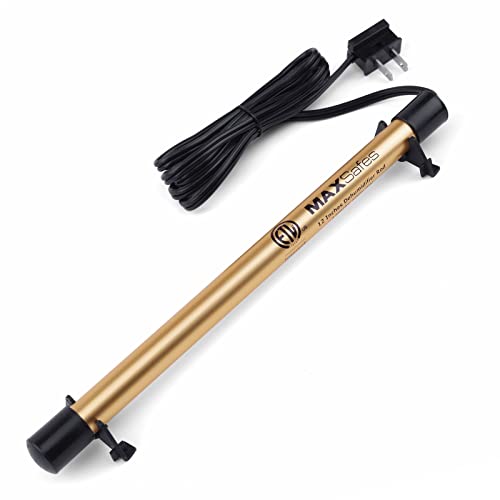
Consider the physical footprint too. A rod mounts on the floor or wall, taking up minimal space. A canister sits on a shelf. If your safe is packed, a slim rod like the MAXSafes 12-inch model fits neatly without blocking access. For more on choosing the right size, visit our dehumidifiers category page.
Rechargeability and Maintenance
Silica gel dehumidifiers are reusable but require regular recharging. Most models change color when saturated: orange to dark green or blue to pink. Recharging takes a few hours in an oven or on a heating base. Electric rods require zero maintenance; they work as long as they are plugged in. Choose based on how much effort you want to invest.
For those who prefer a set-and-forget solution, an electric rod is ideal. If you want a cordless option that can also be used in closets or RVs, a rechargeable canister offers flexibility. Check our air purifiers page for more indoor air quality solutions.
Safety and Certifications
Since dehumidifiers operate inside enclosed metal safes, safety certifications matter. Look for ETL or UL listing, which confirms the unit has passed safety standards for overheating and electrical hazards. Many electric rods include thermal fuses that shut off the unit if it gets too hot. Silica gel canisters are inherently safe because they contain no liquids or electronics.
If you suffer from allergies, controlling humidity also helps reduce mold and dust mites. Learn more in our article on the best humidifier for allergies and sinus relief.
Final Thoughts
After reviewing the top contenders, the clear standouts are the Lockdown Golden Rod Dehumidifier, 12″-36″ for its proven reliability and large coverage area, and the Afloia Gun Safe Dehumidifier for its cordless, rechargeable convenience. Both offer excellent protection against rust and corrosion, and each suits a different user: the Golden Rod for those who want a permanent, no-maintenance solution, and the Afloia for anyone who values portability and simplicity. Whichever you choose, investing in proper humidity control is the smartest way to keep your firearms and valuables in top condition for years to come.
Related Guides
- Top Dehumidifiers for Attic Spaces in 2026
- Midea 50 Pint Dehumidifier Review
- Hisense 50 Pint Dehumidifier Review
Frequently Asked Questions
How often do I need to recharge a silica gel dehumidifier?
It depends on humidity levels, but most units need recharging every 1 to 3 months. When the indicator beads change color (usually orange to dark green), it is time to reactivate them in an oven at around 240°F for 3 hours. In 2026, many newer models include a heating base that automates this process.
Can I use a dehumidifier in a gun safe without an electrical outlet?
Yes. Passive silica gel canisters require no electricity to absorb moisture. You only need a power source for recharging. Electric rods, on the other hand, must be plugged in continuously. If your safe has no interior outlet, you can drill a small hole to route the cord, or choose a rechargeable canister.
Will a dehumidifier rod damage my firearms or safe interior?
No, when used correctly. Electric rods warm the air gently, typically reaching 130 to 150°F at the surface, which is safe for metal, wood, and most safe interiors. They include thermal protection to prevent overheating. Always follow the manufacturer’s installation instructions and keep the rod away from flammable materials.
How do I know which size dehumidifier to buy for my safe?
Calculate your safe’s interior volume in cubic feet (length x width x height). For small safes under 15 cubic feet, a single canister or 12-inch rod works well. For larger cabinets up to 300 cubic feet, choose a longer rod like the Lockdown Golden Rod or a high-capacity canister. When in doubt, a slightly larger unit provides a safety margin against humidity spikes.