
Waking up with a stuffy nose, mouth breathing, and a dry throat is exhausting, especially if you have a deviated septum. You’ve tried nasal sprays and strips, but nothing seems to last through the night. If this sounds familiar, you’re likely searching for the best humidifier for deviated septum relief, or perhaps a more targeted nasal dilator. This guide reviews four top-rated products designed to improve airflow and ease congestion, helping you sleep better and breathe clearer.


Buying Guide: What to Look For
Material and Comfort
When you’re wearing a nasal device for hours, comfort is non-negotiable. Soft silicone options, like the nose deviated septum straightener nose up nose, are gentle on the skin and flexible enough for all-night wear. Firmer EVA materials, such as those in the Nasal Dilators Cones for Sleep & Breathing, hold their shape better but may require a short adjustment period. Consider your sensitivity and whether you prefer a barely-there feel or a more secure, structured fit.
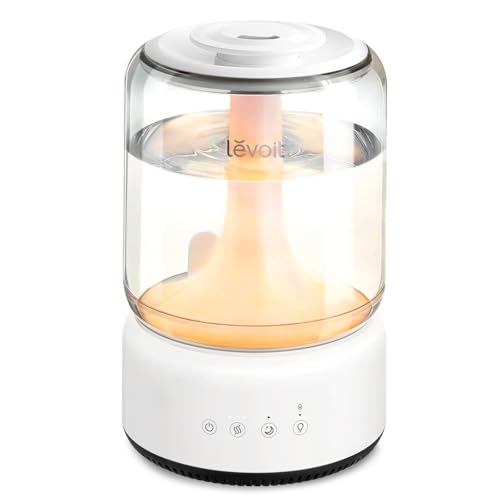
For those who also struggle with dry air, pairing a nasal dilator with a cool mist humidifier can be a game-changer. Check out our top cool mist humidifier picks for 2026 to add moisture to your bedroom air, which can soothe irritated nasal passages.
Size and Fit
One size rarely fits all when it comes to nasal anatomy. The WoodyKnows Ultra-Thin Nasal Dilator addresses this with a trial pack of three sizes, ensuring you find the perfect fit for your unique nose shape. Similarly, the Nasal Dilators Cones include four sizes for a customizable fit. A proper fit is crucial for both effectiveness and comfort, so don’t settle for a one-size-fits-all approach.
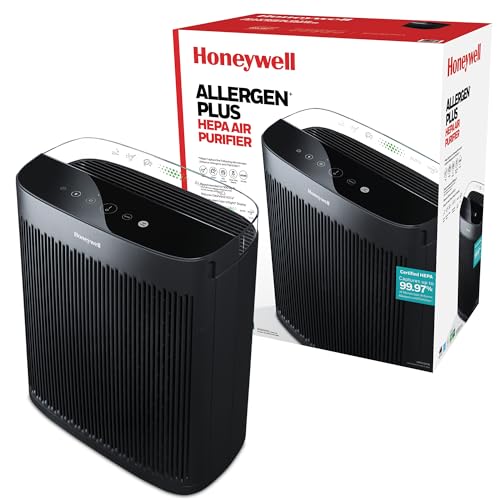
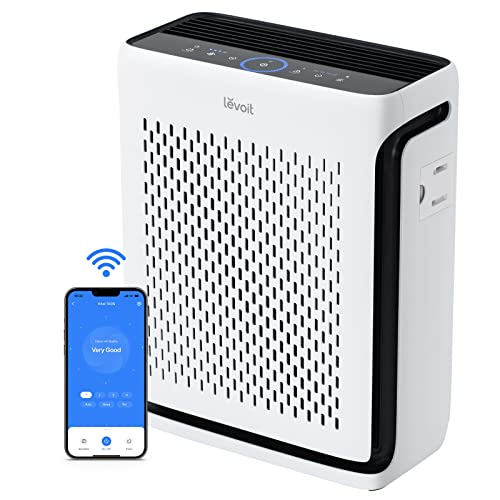
If you’re dealing with chronic congestion, you might also benefit from improving your overall indoor air quality. An air purifier can remove allergens that trigger nasal swelling.
Ease of Use and Maintenance
You want a device that fits seamlessly into your nightly routine. The lvifloae 2PCS Nasal Septum Deviated Septum is a simple clip-on design that requires no batteries or assembly. Reusable dilators like the Nasal Dilators Cones are easy to clean with soap and water, offering an eco-friendly alternative to disposable strips. Consider how much time you’re willing to spend on upkeep and choose accordingly.
For those who experience nasal congestion due to high humidity, a dehumidifier might be more appropriate. Explore our best dehumidifier for bathroom to manage moisture levels and prevent mold, which can worsen breathing issues.
Final Thoughts
After reviewing these options, it’s clear that the WoodyKnows Ultra-Thin Nasal Dilator stands out for its patented open-ring design and multi-size trial pack, making it an excellent choice for those with a deviated septum who need a reliable, comfortable fit. For a budget-friendly yet effective alternative, the Nasal Dilators Cones for Sleep & Breathing offer firm support and four sizes at a great value. Whichever you choose, these devices can significantly improve your airflow and sleep quality, bringing you one step closer to restful nights.
Related Guides
- Best Cool Mist Humidifier
- Top-Rated Humidifiers for Large Rooms in 2026
- Black Friday Humidifier Deals 2026
Frequently Asked Questions
Can a humidifier cure a deviated septum?
No, a humidifier cannot cure a deviated septum, but it can alleviate symptoms like nasal dryness and congestion. Adding moisture to the air helps soothe irritated nasal passages, making breathing more comfortable. For structural correction, nasal dilators or surgery are options, but a humidifier is a great non-invasive supplement.
How do nasal dilators help with a deviated septum?
Nasal dilators physically open the nostrils and nasal passages, which can improve airflow and reduce the feeling of blockage. They are especially helpful at night, as they can reduce snoring and encourage nasal breathing. The WoodyKnows Ultra-Thin Nasal Dilator is specifically designed to adapt to different noses, including those with a deviated septum.
Are nasal dilators safe to use every night?
Yes, most nasal dilators are safe for nightly use, provided they fit properly and are made from skin-friendly materials. Start with a shorter duration to allow your nose to adapt, especially with firmer EVA options. If you experience any pain or discomfort, discontinue use and consult a healthcare professional.
What is the best way to clean reusable nasal dilators?
Wash your nasal dilators daily with mild soap and warm water, then rinse thoroughly and air dry. Avoid using harsh chemicals or boiling water, as these can damage the material. For a deeper clean, you can wipe them with rubbing alcohol and let them dry completely before the next use.