

You walk into your home after a long day, but something feels off. The air is stale, maybe a bit musty. Is it safe? With an indoor outdoor air quality monitor, you can stop guessing and start knowing. These devices track pollutants like PM2.5, VOCs, CO2, and more, giving you real-time insights into your environment. Whether you’re concerned about allergens, renovation fumes, or just want to optimize your comfort, this guide covers the top picks for 2026. We’ve evaluated five leading models to help you choose wisely. For more on keeping your air clean, check out our Air Quality Monitors category.


Buying Guide
Sensor Accuracy and Range
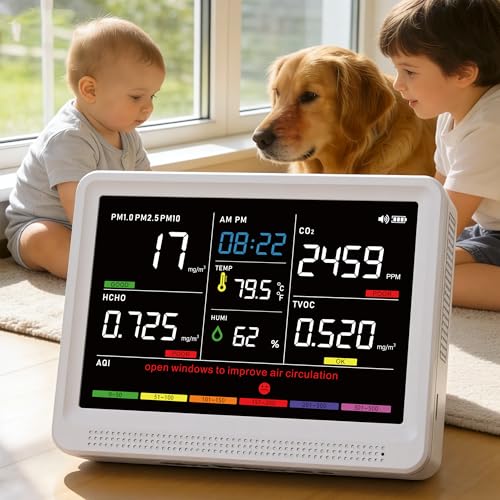
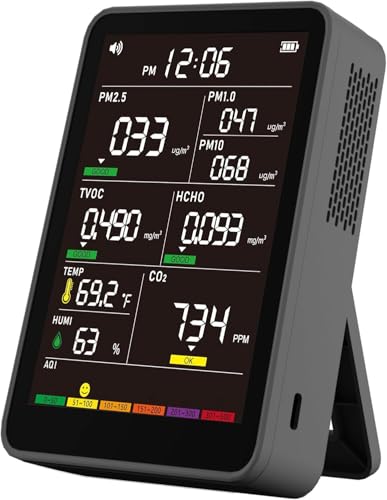
Accuracy is the most critical factor. Look for monitors with high-precision sensors, like electrochemical or laser-based ones. The YNAK 16 in 1 Air Quality Monitor Indoor High-Precision boasts 0.001 unit accuracy for HCHO and TVOC, while the Temtop model uses a Dart electrochemical sensor for formaldehyde. These ensure you get reliable data, not just rough estimates.
Consider what parameters matter most. Some devices cover up to 16 factors, including PM1.0, PM2.5, PM10, CO2, HCHO, TVOC, temperature, and humidity. For comprehensive monitoring, a multi-parameter unit is ideal. For a deep dive into air quality tracking, read our airthings view plus review.
Display and Alerts
A clear display saves you time. The AirWhisper 16-in-1 Indoor Air Quality Monitor features a high-definition color screen with color-coded air level readings. Look for monitors that offer real-time AQI alerts, like the 7 distinct buzzers on the YNAK model. These visual and audio cues let you act fast when air quality dips.
Portability matters if you move the device between rooms or outdoors. The Amazon Smart Air Quality Monitor is compact and plugs in easily, while the Lwyinp model is lightweight for handheld use. For a broader perspective on air purification, see our Best Blueair Filters guide.
Connectivity and Smart Features
Smart integration can enhance your experience. The Amazon Smart Air Quality Monitor works with Alexa, allowing you to set routines like turning on an air purifier when VOCs spike. Others, like the Temtop model, offer USB data export for professional reporting. Consider if you need app support, voice control, or data logging.
Battery life is another key factor. The YNAK monitor runs up to 10 hours on a charge, while the AirWhisper offers 4-5 hours. For continuous monitoring, plug-in options are better. Choose based on your usage pattern: spot checks or 24/7 tracking.
Final Thoughts
Choosing the right indoor outdoor air quality monitor depends on your priorities. For comprehensive tracking with high accuracy, the 16 in 1 Air Quality Monitor Indoor High-Precision is a standout with its 16-in-1 detection and long battery life. If you prefer smart home integration and simplicity, the Amazon Smart Air Quality Monitor offers seamless Alexa connectivity and real-time alerts. Both deliver reliable data to help you breathe easier, whether you’re at home or on the go.
Related Guides
Frequently Asked Questions
What is the difference between an indoor and outdoor air quality monitor?
Indoor monitors track pollutants like VOCs, CO2, and formaldehyde from household sources. Outdoor models focus on PM2.5 and ozone from traffic or pollen. Many units, like those in this guide, work for both settings with portable designs.
How often should I calibrate my air quality monitor?
Most modern monitors come pre-calibrated and require no manual adjustment. However, if you expose them to strong odors or extreme conditions, a recalibration every 6-12 months is recommended. Refer to the user manual for specific instructions.
Can an air quality monitor detect mold?
Not directly. Monitors measure humidity and particulate matter, which are indicators of mold risk. High humidity (above 60%) can promote mold growth. For direct mold detection, you need a specialized test kit. For more on managing humidity, see our Best Blueair Filters guide.
What does AQI mean on an air quality monitor?
AQI stands for Air Quality Index. It’s a standardized scale that combines multiple pollutants (like PM2.5, O3, NO2) into a single number. A lower AQI (0-50) means good air, while higher values indicate health risks. Many monitors display this to simplify data.
