🔥 Black Friday Air Purifier Deals of 2026: picks worth watching →
You have allergies acting up, pet dander floating around, or maybe smoke from wildfire season sneaking in. You want clean air, but the choice between two leading brands feels overwhelming. Blueair and Shark both offer advanced air purifiers, but they take very different approaches. This guide compares Blueair vs Shark air purifiers head-to-head, covering filtration technology, smart features, room coverage, and long-term value to help you decide which brand fits your home best.
We have evaluated dozens of models from both brands, focusing on real-world performance, energy efficiency, and user experience. Whether you need a compact unit for a bedroom or a powerhouse for an open floor plan, we have you covered. For more on handling specific pollutants, check out our guide to best air purifiers for pet dander.



Buying Guide
Filtration Technology
Blueair uses HEPASilent dual filtration, which combines electrostatic charging with mechanical filtration to capture 99.97% of particles down to 0.1 microns. This technology also allows for quieter operation and lower energy consumption. Shark counters with NeverChange filtration, which claims to last up to five years without replacement, thanks to a Debris Defense pre-filter that captures large particles before they reach the HEPA layer. Both exceed HEPA standards, but Shark’s system focuses on long-term savings, while Blueair emphasizes whisper-quiet performance.
For allergy sufferers, both brands excel. Blueair’s HEPASilent technology is certified by the Asthma and Allergy Foundation of America. Shark’s Anti-Allergen NanoSeal filter traps 99.98% of micropollutants. If you are particularly sensitive, see our best room air purifier for allergies recommendations.
Smart Features and App Control
Blueair offers a robust mobile app that lets you monitor air quality in real time, adjust fan speed, set schedules, and track filter life. Models like the Blue Pure 211i Max and 511i Max have built-in sensors that automatically adjust fan speed when pollution spikes. Shark’s CleanSense IQ system also provides real-time air quality feedback on an LED display, but it lacks a dedicated app for remote control. For tech enthusiasts who want full control from their phone, Blueair is the clear winner.
Room Coverage and Noise Levels
Room size matters. Blueair’s large-room models, such as the 211i Max, cover up to 3,235 square feet in one hour, while Shark’s NeverChange Air Purifier Max (HP302) handles up to 1,400 square feet. For smaller spaces, Blueair’s 511i Max covers 1,138 square feet, and Shark’s Compact Pro covers 250 square feet. Noise is another differentiator: Blueair operates as low as 19 dB on its quietest models, making it ideal for bedrooms and nurseries. Shark’s units are also quiet, but Blueair consistently earns quieter ratings across its lineup.
Design and Build Quality
Blueair embraces Scandinavian minimalism with sleek, compact designs that blend into modern decor. Many models offer interchangeable pre-filters in various colors to personalize the look. Shark takes a more utilitarian approach, focusing on functionality over aesthetics. Both brands build durable units, but Blueair’s design-forward approach may appeal more to style-conscious buyers.
If you are looking for premium options, you might also explore coway vs winix comparisons for alternative HEPA solutions.
Final Thoughts
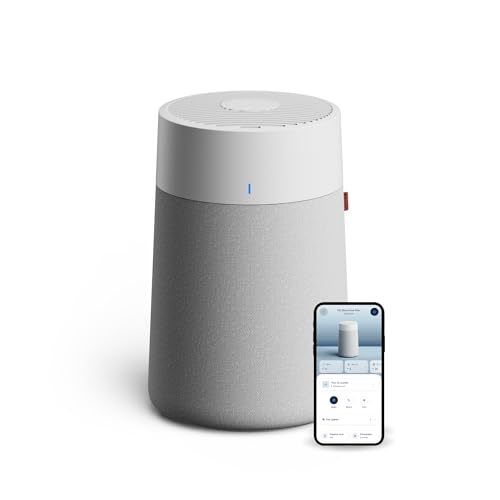
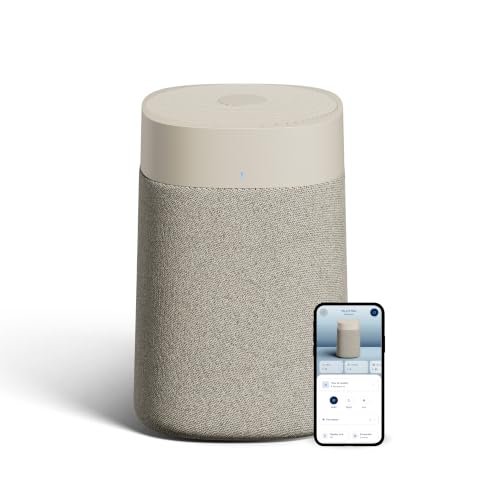
Choosing between Blueair and Shark ultimately comes down to your priorities. If you value whisper-quiet operation, smart app control, and a design that complements your home, go with the BLUEAIR Air Purifiers for Home Large Room up for spacious areas or the BLUEAIR Air Purifiers for Home Bedroom Dorm up for smaller rooms. If long-term savings on filter replacements and powerful, no-fuss purification matter more, the Shark NeverChange Air Purifier, HP152, Charcoal offers excellent value with its five-year filter life. Both brands deliver clean, healthy air, your choice depends on which features matter most to you.
Related Guides
- Best HEPA Air Scrubber Reviews for 2026
- PuroAir 240 HEPA Air Purifier Review for 2026
- Shark NeverChange Air Purifier Max Review
Frequently Asked Questions
Which brand is better for allergies: Blueair or Shark?
Both are excellent. Blueair’s HEPASilent technology is certified by the Asthma and Allergy Foundation of America, while Shark’s Anti-Allergen NanoSeal captures 99.98% of micropollutants. For severe allergies, Blueair’s quieter operation may be beneficial for nighttime use. For more tips, see our best room air purifier for allergies guide.
How long do Blueair filters last compared to Shark NeverChange filters?
Blueair filters typically last 6 to 12 months depending on usage, while Shark’s NeverChange filters are designed to last up to five years without replacement. However, Shark’s pre-filters need periodic cleaning. Blueair’s filter replacements are more frequent but may offer better long-term air quality if you prefer regular changes.
Can I control Blueair and Shark air purifiers with an app?
Blueair offers a full-featured mobile app for remote control, scheduling, and air quality monitoring. Shark models with CleanSense IQ have an on-unit display but no dedicated app. If app control is important, Blueair is the better choice.
Which air purifier is quieter: Blueair or Shark?
Blueair consistently operates at lower decibel levels, with some models as quiet as 19 dB. Shark units are also quiet but generally not as whisper-silent. For bedrooms and nurseries, Blueair is the top pick for noise-sensitive environments.