🔥 Black Friday Air Purifier Deals of 2026: picks worth watching →
You have probably wondered which brand delivers cleaner air for your home: Blueair or Honeywell. Both are trusted names in air purification, but they approach the task differently. This guide compares five top models from each brand, covering everything from filtration technology to room coverage, so you can make an informed choice in 2026.
We have evaluated each unit based on real-world performance, feature sets, and user feedback. Whether you suffer from allergies, live with pets, or simply want fresher indoor air, this Blueair vs Honeywell air purifier comparison will point you to the right solution.


Buying Guide
Filtration Technology
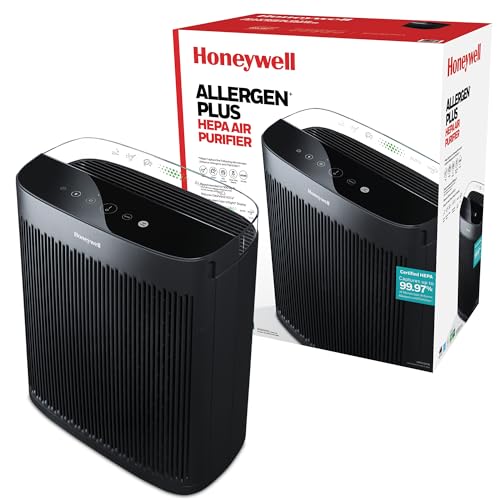
The core of any air purifier is its filter system. Honeywell models like the Allergen Plus series use a multi-layer HEPA approach: a pre-filter for large particles, a True HEPA filter that captures 99.97% of allergens, and an activated carbon layer for odors and VOCs. Some Honeywell units add a fourth layer for extra protection.
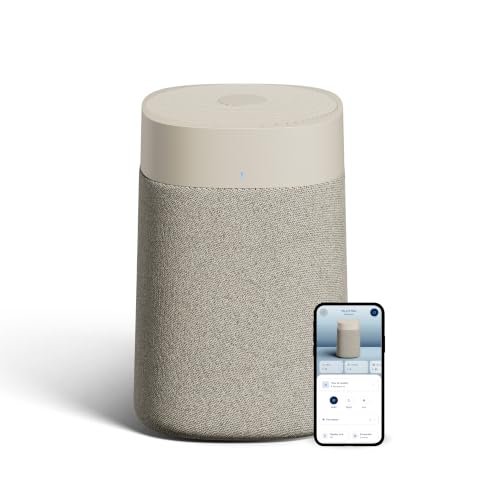
Blueair relies on its proprietary HEPASilent dual filtration technology, which combines electrostatic charging with mechanical filtration. This design captures airborne particles such as dust, pollen, and pet dander while operating quietly and efficiently. For a deeper dive into filtration options, check our HEPA air purifiers guide.
Room Coverage and Airflow
Room size matters when choosing a purifier. Honeywell’s Allergen Plus 3-in-1 model covers up to 1,928 sq. ft. with its Turbo360 fan, while the 4-in-1 version handles spaces up to 1,718 sq. ft. at 4.8 air changes per hour in a 354 sq. ft. room.
Blueair’s 211i Max is designed for large rooms up to 3,235 sq. ft., cleaning a 674 sq. ft. space in just 12.5 minutes. The Pro DH5i combines purification with humidification, covering up to 1,875 sq. ft. If you need a unit for a specific area, our large room air purifier recommendations can help.
Smart Features and Convenience
Modern air purifiers offer smart controls for ease of use. Honeywell’s AQSense Auto Mode tracks real-time air quality and adjusts fan speed automatically, with color-coded indicators (Green, Yellow, Red). The one-click LessMess system simplifies filter changes.
Blueair units come with built-in air quality sensors and app control, allowing you to monitor and adjust settings remotely. The Pro DH5i even offers 60-hour continuous humidification with a smart refill alert. For pet owners, the air purifiers for pets page highlights models that handle dander well.
Noise Levels and Design
Quiet operation is crucial for bedrooms and living spaces. Honeywell’s low-noise design makes its Allergen Plus models ideal for nurseries and home offices. Blueair’s HEPASilent technology is engineered for whisper-quiet performance, especially on lower fan speeds.
Both brands offer sleek aesthetics: Honeywell in white or black finishes, Blueair with minimalist Scandinavian design. If you are looking for a unit that blends into modern decor, both deliver. For more on style and function, visit our air guides section.
Final Thoughts
After comparing these five models, our recommendation splits based on your primary need. For powerful whole-room purification with smart features and app control, the BLUEAIR Air Purifiers for Home Large Room up stands out with its massive coverage and quiet HEPASilent technology. If you prefer a versatile unit that also circulates air and offers customizable comfort settings, the Honeywell Allergen Plus™ 3-in-1 HEPA Air Purifier is an excellent choice, especially for larger open spaces. Both deliver verified performance and will noticeably improve your indoor air quality in 2026.
Related Guides
- Best Blueair Filters for Clean Air in 2026
- Shark NeverChange Air Purifier Max Review
- PuroAir 240 HEPA Review
Frequently Asked Questions
Which brand is better for allergies?
Both Blueair and Honeywell are effective for allergy sufferers. Honeywell’s True HEPA filters capture 99.97% of allergens, while Blueair’s HEPASilent technology traps particles as small as 0.1 micron. For best results, choose a model that matches your room size and consider our allergy-specific air purifier guide.
How often should I replace the filters?
Filter replacement intervals vary by model and usage. Honeywell recommends changing its HEPA and carbon filters every 6 to 12 months. Blueair’s particle and carbon filters last up to 9 months, and the humidifier wick filter is machine washable. Always check the manufacturer’s guidelines for your specific unit.
Can I use these purifiers in a bedroom?
Yes, many models are designed for quiet operation in bedrooms. Honeywell’s Allergen Plus series includes a sleep mode with dimmed lights, while Blueair’s 211i Max operates at whisper-quiet levels on lower speeds. Both are suitable for nurseries and home offices.
Do these air purifiers remove smoke and odors?
Both brands use activated carbon filters to reduce smoke, odors, and VOCs. Honeywell’s 4-in-1 model adds a fourth layer for extra odor defense. Blueair’s HEPASilent technology also captures smoke particles effectively. For smoke-specific needs, browse our air purifiers for smoke page.